Most workplace incidents aren’t sudden surprises. They’re the result of ignored near misses, unreported hazards, and a culture where speaking up feels unnecessary—or risky. The solution isn’t just better equipment or stricter rules. It’s consistent, human-centered communication. That’s where incident reporting toolbox talks come in.
These short, focused safety meetings aren’t just routine check-ins. They’re pivotal moments that shape behavior, reinforce accountability, and turn passive workers into active safety partners. When done right, they transform how teams see, report, and respond to risks—before they escalate.
Yet too many organizations treat them as box-ticking exercises. Generic agendas, disengaged participants, and zero follow-up turn what should be a safety catalyst into background noise. The difference between failure and impact? Understanding the true importance of incident reporting toolbox talks—and acting on it.
What Is an Incident Reporting Toolbox Talk?
An incident reporting toolbox talk is a brief, informal safety meeting held at the job site—typically before work begins—focused specifically on the process, importance, and methods of reporting incidents, near misses, and unsafe conditions.
Unlike broad safety orientations, these talks zero in on the act of reporting: who should report, what qualifies as an incident, how to report it, and why every report matters. They’re designed to be conversational, not lecture-style, fostering dialogue rather than top-down instruction.
Key Components of an Effective Talk
- Duration: 10–15 minutes
- Frequency: Daily or weekly, depending on risk level
- Location: On-site, close to work areas
- Participants: All crew members, including supervisors
- Focus: Real incidents, recent near misses, or common reporting gaps
The goal isn’t just awareness. It’s behavior change: making reporting a routine, expected, and valued part of the job.
Why Incident Reporting Starts with Conversation
Incident reporting systems only work if people use them. And people won’t report unless they understand why it matters—and feel safe doing so.
Toolbox talks bridge that gap. They create space for supervisors to: - Clarify what counts as a reportable event (e.g., a dropped tool, a trip on debris) - Address misconceptions (“Reporting won’t get me in trouble”) - Share recent examples (“Last week, a near fall on the scaffold stopped a potential injury”) - Reinforce psychological safety (“Your voice protects your team”)
Without these discussions, workers assume reporting is bureaucratic, time-consuming, or possibly career-limiting. One study found that 60% of unreported near misses were due to fear of blame or belief that “nothing would change anyway.” Toolbox talks dismantle those barriers—one conversation at a time.
Real-World Example: The Forklift Close Call
At a warehouse in Ohio, a forklift operator narrowly avoided hitting a worker walking through a blind corner. No one was hurt. But during that day’s toolbox talk, the supervisor opened with: “What if things had gone differently?”

The team discussed visibility issues, pedestrian routes, and the importance of reporting near misses. The operator filed a report. Within 48 hours, warning signs, floor markings, and a new traffic rule were implemented.
That near miss became a prevention success—not because of surveillance or penalties, but because a simple talk made reporting feel meaningful.
How These Talks Strengthen Safety Culture
Safety culture isn’t defined by posters or policies. It’s defined by what people do when no one’s watching.
Incident reporting toolbox talks shape culture by normalizing proactive risk awareness. They send a clear message: We value learning over blame.
Cultural Shifts Driven by Regular Talks
- Increased reporting rates – Workers start seeing value in sharing small issues
- Faster hazard resolution – Reports lead to immediate fixes, reinforcing trust
- Peer accountability – Teams begin reminding each other to speak up
- Leadership visibility – Supervisors demonstrate commitment, not just compliance
When workers see that their reports lead to real changes—like adjusted workflows or new PPE—they’re more likely to engage. Toolbox talks make that feedback loop visible and immediate.
Common Mistakes That Undermine Impact
- One-size-fits-all scripts – Generic talks feel irrelevant
- No follow-up – Reports go unanswered, killing motivation
- Supervisor dominance – No room for worker input
- Inconsistent scheduling – Talks become sporadic and forgotten
The most effective talks are tailored, interactive, and tied to real site conditions. They don’t just explain how to report—they show why it works.
Turning Reports into Action: The Feedback Loop
An incident report that vanishes into a system is a missed opportunity. The true value lies in closing the loop—and toolbox talks are the perfect vehicle.
After a report is submitted, the next talk should include: - A quick summary of the issue - Actions taken (or planned) - Lessons for the team
This transparency builds trust and proves that reporting leads to results.
Example Workflow:
- Worker reports a loose handrail on a platform
- Supervisor logs it, tags maintenance
- Repairs completed in 24 hours
- Next day’s toolbox talk includes: “Thanks to [Name] for reporting the handrail issue. It’s now secured. Keep these coming.”
That 30-second acknowledgment does more for safety culture than a dozen policy memos.
When workers see their input shaping the workplace, reporting stops being a duty—and starts being a habit.
Integrating Technology Without Losing the Human Element
Digital reporting tools—mobile apps, kiosks, cloud platforms—have made submitting incidents easier than ever. But technology alone won’t drive participation.
Toolbox talks ensure the human side stays central. They’re where teams learn to use the tools, understand data privacy, and see how digital reports translate into real-world fixes.
5 Incident Reporting Tools That Support Toolbox Talk Integration
| Tool | Key Features | Best For |
|---|---|---|
| iAuditor by SafetyCulture | Custom checklists, photo uploads, real-time reporting | Field teams, frequent audits |
| Procore Safety | Integrated with project management, mobile-first | Construction sites |
| Intelex (now ETQ) | Advanced analytics, root cause tracking | Large organizations |
| Kize | Mobile reporting, behavior tracking, peer recognition | Teams focused on safety culture |
| SiteDocs | Offline reporting, instant alerts, compliance logs | Remote or low-connectivity sites |
These tools work best when introduced and reinforced during toolbox talks. A 5-minute demo during a talk—showing how to snap a photo and submit a hazard—can boost adoption faster than any training email.
Customizing Talks for Maximum Relevance
A toolbox talk about chemical spills won’t resonate with an excavation crew. Relevance is key.
Successful teams tailor talks using: - Recent site incidents – Use real cases (anonymized if needed) - Job-specific risks – Focus on current tasks (e.g., working at height, lockout/tagout) - Worker input – Ask: “What’s worried you this week?” - Visual aids – Photos, diagrams, or mock scenarios
Sample Talk Outline: Reporting Slips, Trips, and Falls
- Hook: “Last month, 30% of our near misses involved slips or trips.”
- Discussion: “Where have you seen debris, spills, or poor lighting?”
- Guidance: “Report it—even if it didn’t cause a fall.”
- Demo: Show how to use the app to report a wet floor
- Close: “Next time you see a hazard, say something. It could save a teammate.”
This kind of specificity keeps talks grounded and actionable.
Making Incident Reporting a Team Responsibility
Safety isn’t the job of the safety officer alone. It’s everyone’s job.
Toolbox talks redistribute ownership by making reporting a shared expectation. When team members hear peers speak up, they’re more likely to do the same.
Supervisors play a critical role—not as enforcers, but as facilitators. Their job is to: - Ask open-ended questions - Share their own observations - Respond to reports visibly and promptly
When leadership models the behavior, the team follows.
One Site’s Success Story A mining contractor in Australia saw reporting rates double within three months. Their secret? No new software or incentives. Just consistent, focused toolbox talks where supervisors highlighted one report per session and explained the fix.
Workers began competing—lightly—to “get their report featured.” What started as compliance became pride.
Closing: Turn Every Talk into a Prevention Opportunity
Incident reporting toolbox talks aren’t just meetings. They’re the frontline defense against preventable harm.
They work because they’re human. They connect policy to practice. They replace silence with dialogue. And they transform near misses from secrets into lessons.
The most effective safety programs don’t rely on audits alone. They rely on daily conversations that remind every worker: Your observation matters. Your report saves lives.
Run your next toolbox talk not as a routine task—but as a strategic act of prevention. Talk about a recent incident. Praise someone who reported. Show what changed because of it.
Do that consistently, and you won’t just improve reporting rates. You’ll build a culture where safety is spoken, lived, and protected—every single day.
Frequently Asked Questions
Why are toolbox talks more effective than written notices? They’re interactive, immediate, and personalized. Dialogue increases retention and engagement far more than passive reading.
Should near misses really be reported? Yes. Near misses are early warnings. Reporting them helps prevent future injuries before they happen.
What if no incidents have occurred? Talks should still happen. Use them to reinforce readiness, review reporting steps, or discuss industry incidents.
How do you encourage shy workers to speak up? Ask open questions, use anonymous input options, and highlight positive examples without naming individuals.
Can toolbox talks reduce incident rates? Indirectly, yes. By increasing reporting and hazard resolution, they reduce the likelihood of serious incidents over time.
Who should lead the talk? Typically a supervisor or safety officer, but rotating leads or inviting worker input can boost engagement.
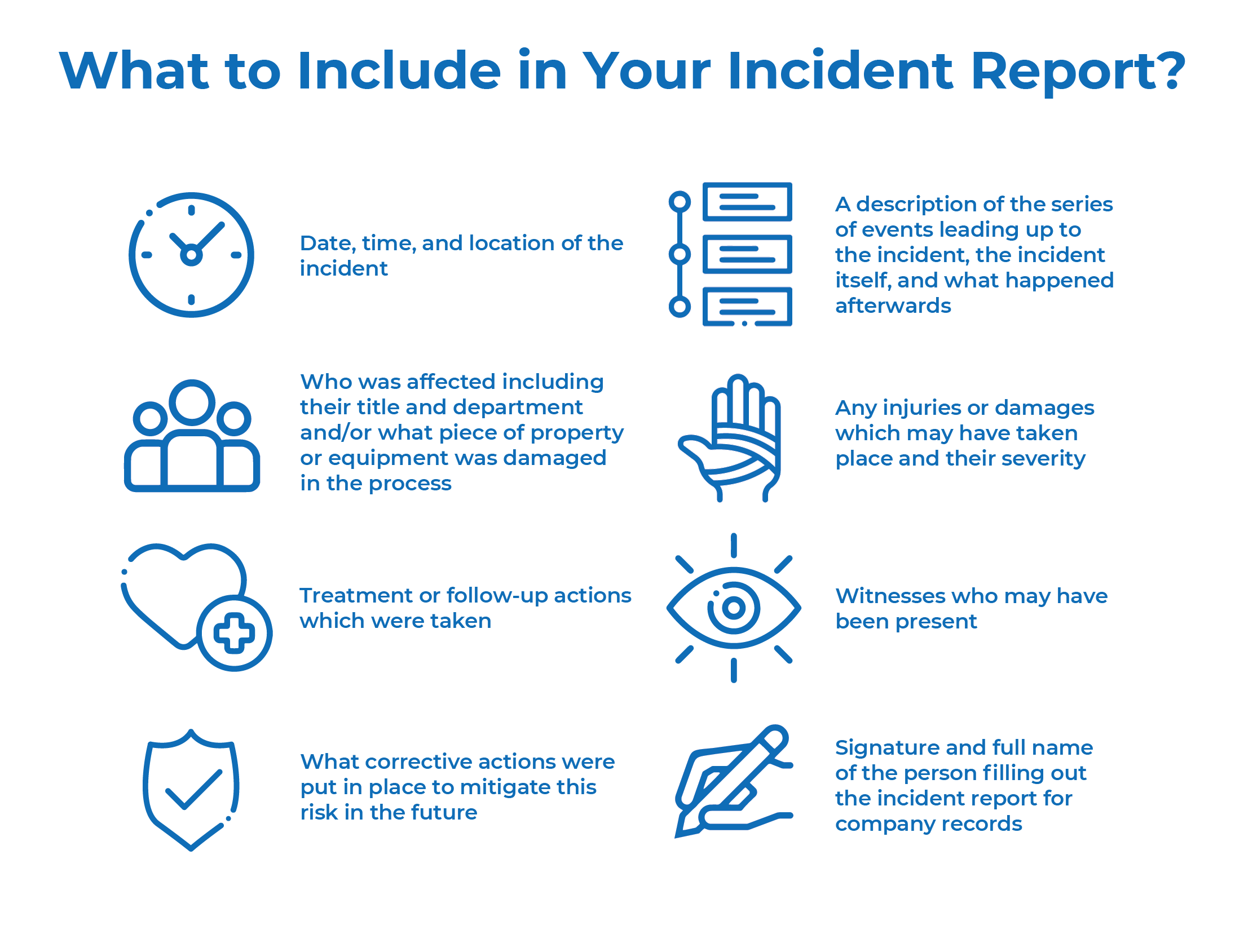
How detailed should the incident reports be? Include: what happened, where, when, who was involved, and any contributing factors. Clarity enables faster action.
FAQ
What should you look for in Why Incident Reporting Toolbox Talks Matter in Safety Culture? Focus on relevance, practical value, and how well the solution matches real user intent.
Is Why Incident Reporting Toolbox Talks Matter in Safety Culture suitable for beginners? That depends on the workflow, but a clear step-by-step approach usually makes it easier to start.
How do you compare options around Why Incident Reporting Toolbox Talks Matter in Safety Culture? Compare features, trust signals, limitations, pricing, and ease of implementation.
What mistakes should you avoid? Avoid generic choices, weak validation, and decisions based only on marketing claims.
What is the next best step? Shortlist the most relevant options, validate them quickly, and refine from real-world results.