Workers servicing industrial machinery face serious risks—electrical surges, sudden equipment startups, pressurized systems releasing force. One of the most effective defenses? A properly executed lockout tagout procedure. At its core, the lockout tagout procedure definition centers on a systematic approach to neutralizing hazardous energy sources during maintenance or servicing. It's not just a safety checklist; it’s a legally mandated process designed to protect lives.
Despite widespread awareness, misinterpretations persist. Some confuse it with simple shutdowns. Others assume tagging alone is enough. The truth is, a lockout tagout procedure combines both physical isolation (lockout) and visible communication (tagout) to ensure machines stay de-energized until work is complete.
This article breaks down the lockout tagout procedure definition in practical terms, outlines its critical components, and shows how real-world workplaces implement it effectively—without cutting corners.
The Core Definition: What Exactly Is Lockout Tagout?
Lockout tagout (LOTO) is a safety procedure used to ensure that dangerous machines and energy sources are properly shut off and cannot be restarted before maintenance or servicing is complete. The formal lockout tagout procedure definition, as outlined by OSHA (Occupational Safety and Health Administration), involves the placement of a lock and tag on an energy-isolating device to indicate that the equipment must not be operated until the lock is removed.
- Lockout refers to the use of a physical lock—typically a hasp, padlock, or valve lock—to prevent re-energizing a system.
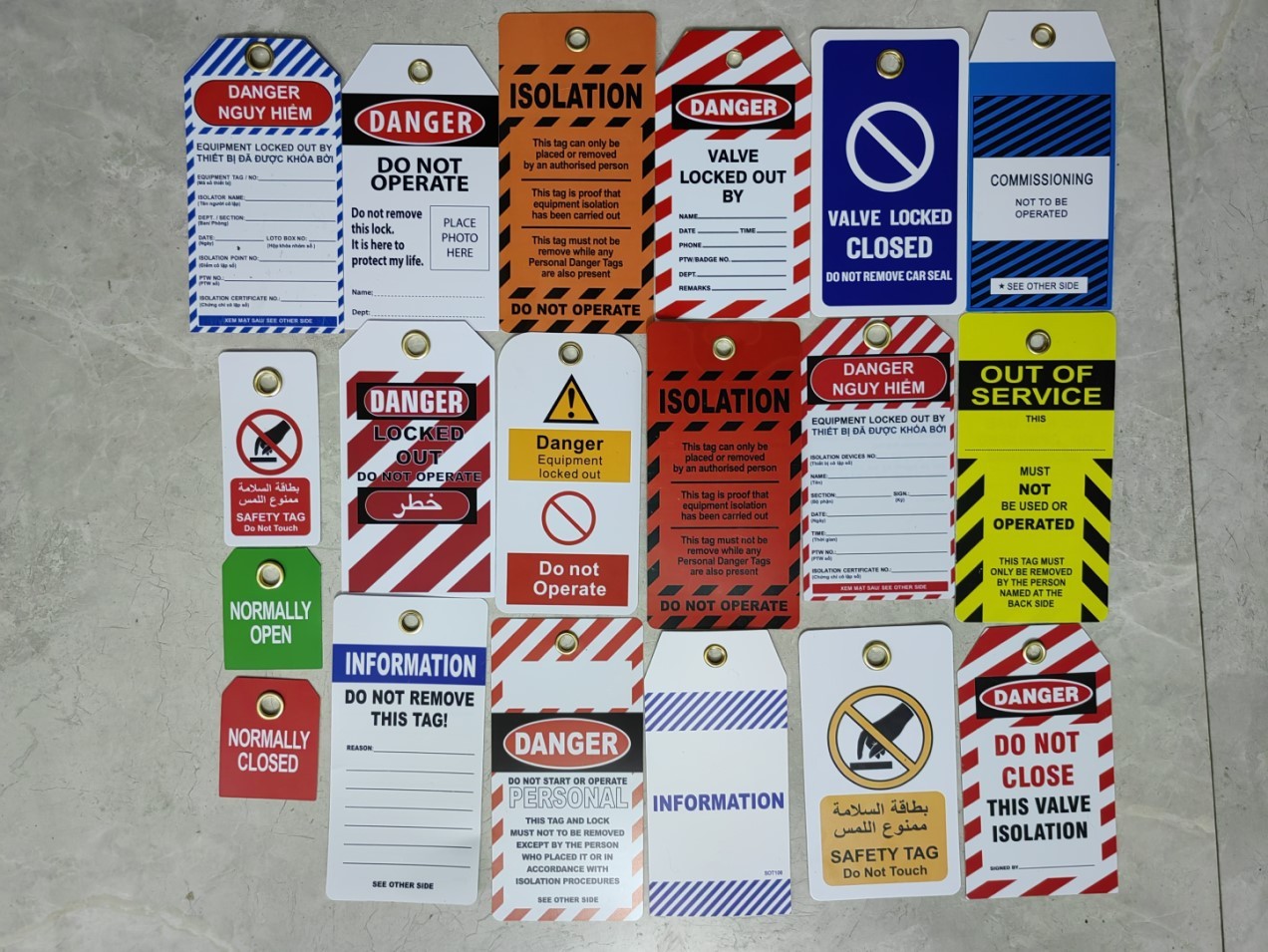
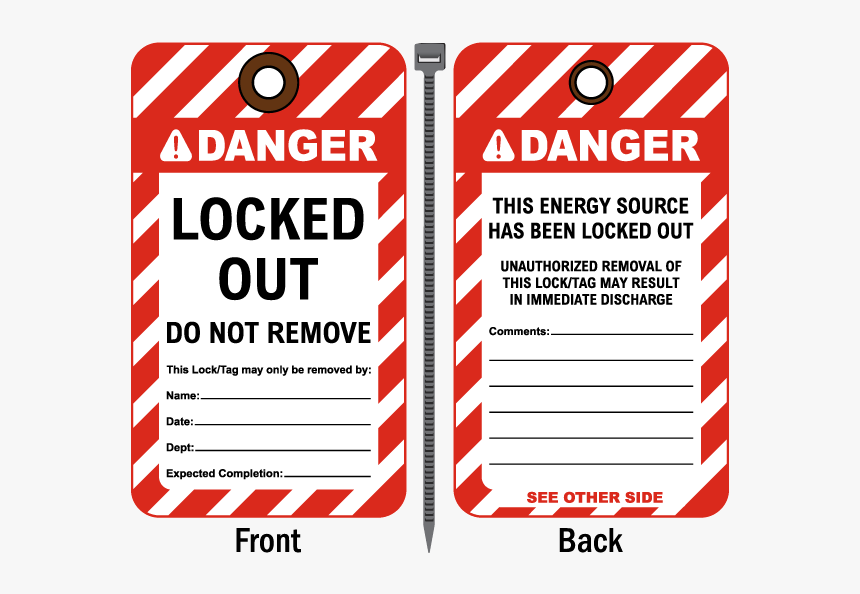
- Tagout involves attaching a warning tag that identifies the worker who applied the lock, the date, and the reason for shutdown.
While tagout raises awareness, lockout provides the mechanical barrier. OSHA permits tagout-only systems only if the tag provides equivalent protection to a lock—rare in high-risk environments.
Example: An electrician replacing a motor on a conveyor belt must first shut down the control circuit, disconnect the power at the breaker, apply a personal lock to the breaker panel, and tag it with their name and purpose. Only after these steps can work begin.
Why LOTO Procedures Are Non-Negotiable
Failure to implement a proper lockout tagout procedure doesn't just violate OSHA standards—it leads to preventable injuries and fatalities. According to OSHA, nearly 10% of all workplace fatalities in manufacturing involve unexpected equipment startup or residual energy release.
Common consequences of bypassing LOTO: - Electrocution from live circuits - Crush injuries from moving machine parts - Burns from steam or hydraulic fluid release - Amputations during repair work
A real-world case: In 2022, a worker at a food processing plant was clearing a jam in a packaging machine. Another employee, unaware of the maintenance, restarted the system remotely. The result: a fatal crushing incident. Investigation revealed no lockout had been applied—only a verbal “I’m working on it” warning.
This is why the lockout tagout procedure definition extends beyond paperwork: it’s about creating a culture where safety overrides urgency.
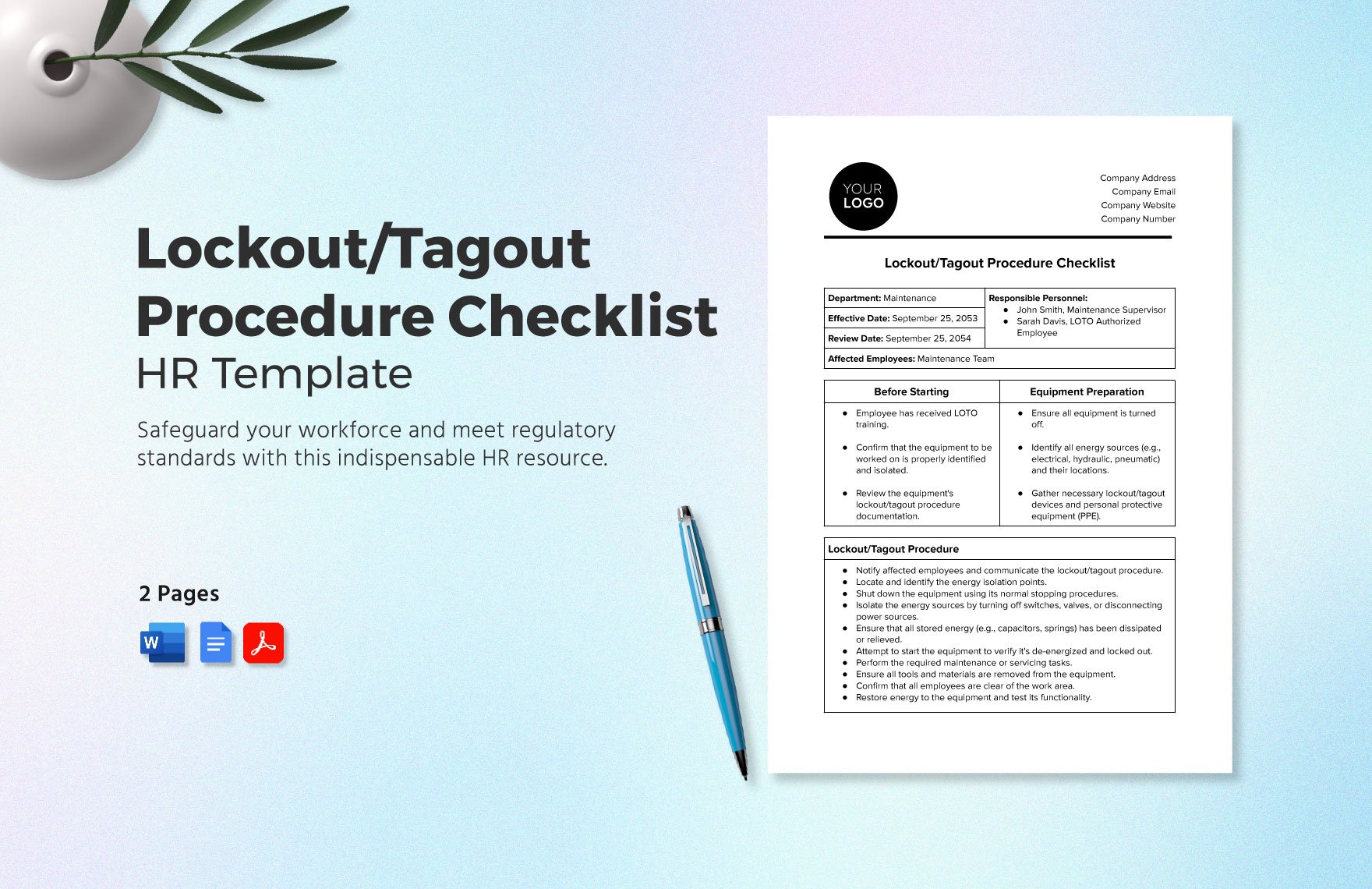
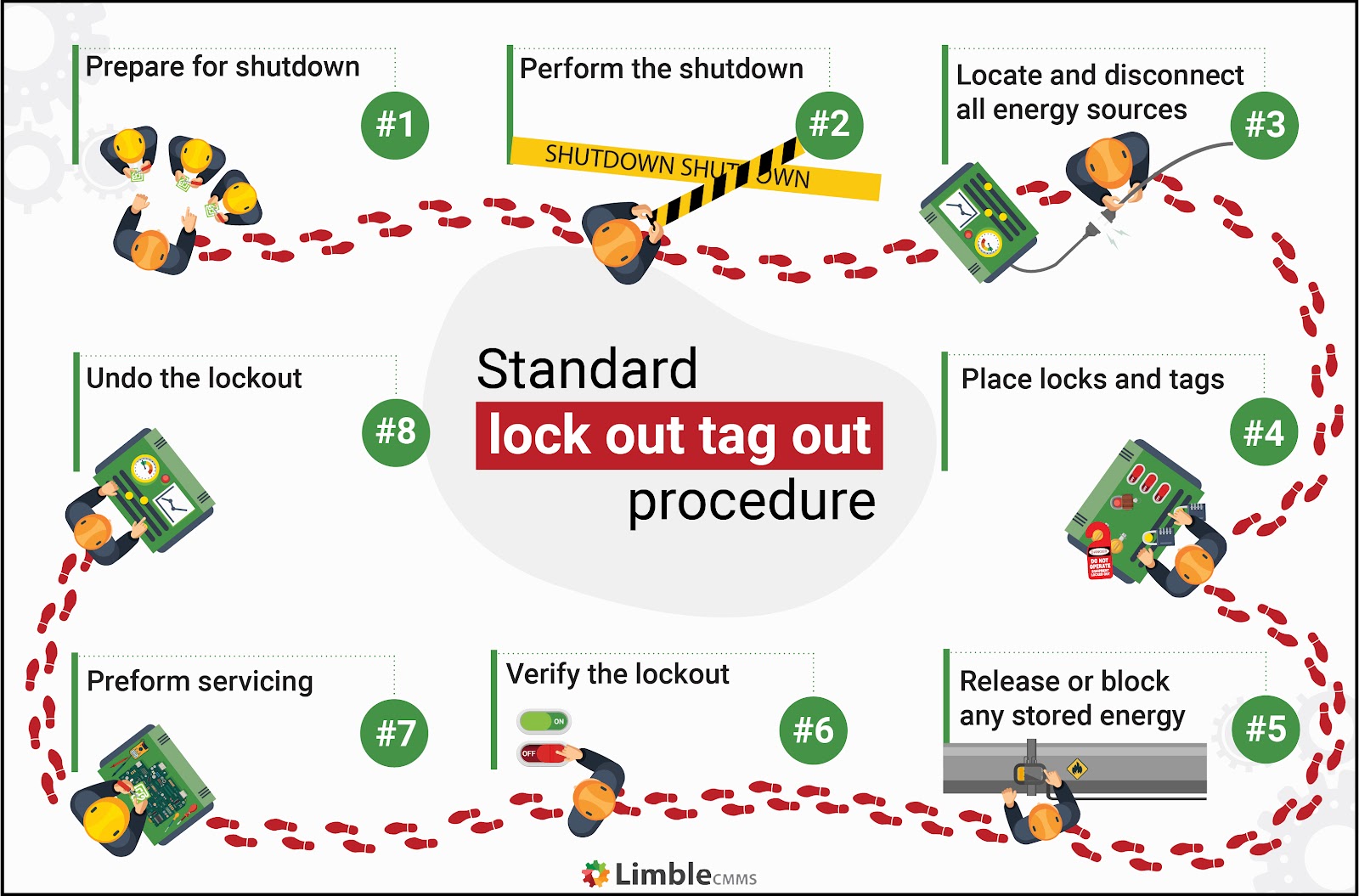
Key Elements of a Valid LOTO Procedure For a lockout tagout procedure to be compliant and effective, it must include specific, documented steps. Here are the seven non-negotiable components:
- Energy Source Identification
- Before shutdown, all energy sources (electrical, pneumatic, hydraulic, thermal, chemical) must be identified. A single machine may have multiple inputs.
- Notification of Affected Personnel
- All employees in the area must be informed that maintenance is about to begin and that equipment will be locked out.
- Equipment Shutdown
- Follow normal stop procedures (e.g., press “off” button) to halt operation.
- Isolation of Energy Sources
- Disconnect power at the source—unplug, open breakers, close valves. This is where most procedures start to fail if not fully executed.
- Application of Locks and Tags
- Each authorized employee applies their personal lock and tag. Group lockout boxes may be used when multiple workers are involved.
- Controlled Release of Stored Energy
- Bleed pressure, discharge capacitors, block moving parts. Residual energy is a silent killer.
- Verification of Isolation
- Attempt to restart the equipment (safely) to confirm zero energy. This is the final, critical test.
Only after all steps are complete should work begin.
Common Mistake: Using a single master lock for multiple machines. OSHA requires individual locks—personal accountability is key.
Who Is Responsible? Roles in LOTO
Understanding roles ensures clarity during high-pressure situations.
| Role | Responsibility |
|---|---|
| Authorized Employee | Trained to implement and remove locks. Only they can service equipment. |
| Affected Employee | Operates or uses the equipment but does not perform maintenance. Must understand tags and not bypass them. |
| Supervisor | Oversees the procedure, ensures compliance, and verifies training. |
Training is mandatory. OSHA requires initial training and retraining every 12 months or when procedures change. A worker who can’t explain their site’s LOTO process shouldn’t be applying locks.
Real-World LOTO Procedure Examples
#### Example 1: Hydraulic Press Maintenance A technician needs to replace a seal in a 200-ton hydraulic press. Steps taken: - Shuts down the control panel. - Closes the main hydraulic valve and locks it with a valve lockout. - Disconnects the electrical supply at the disconnect switch and applies a lock. - Tags the lock with name, date, and “Seal Replacement in Progress.” - Releases residual pressure via bleed valve. - Verifies no movement by attempting startup.
#### Example 2: Conveyor Belt System A maintenance crew clears a jam in a multi-section conveyor. Challenges: - Multiple energy sources (electric motors, gravity-fed sections). - Three technicians working simultaneously.
Solution: - Uses a group lockout box. Each technician applies their lock to the main disconnect. - Supervisor verifies all locks are in place before work begins. - After completion, each worker removes their own lock—no one else can do it.
These scenarios show that the lockout tagout procedure definition isn’t one-size-fits-all. It must be tailored to the equipment and environment.
Common LOTO Pitfalls and How to Avoid Them
Even experienced teams make mistakes. Here are frequent missteps:
- Skipping the Verification Step
- Assuming the machine is off without testing. Always attempt a startup—safely.
- Using Incompatible Lockout Devices
- Not all locks fit all breakers or valves. Maintain a kit with standardized, durable hardware.

- Tagging Without Locking
- Tagout alone is insufficient unless engineering controls prevent re-energizing.
- Poor Communication
- Failing to notify shift supervisors or relief workers about active lockouts.
- Lock Removal by Unauthorized Personnel
- Only the worker who applied the lock should remove it. In emergencies, a formal removal procedure must be followed, including verification that the worker is clear of danger.
Pro Tip: Conduct monthly audits. Walk through a random LOTO procedure and time how long it takes. Delays often expose gaps in training or hardware access.
LOTO Compliance: More Than Just OSHA
While OSHA 29 CFR 1910.147 is the primary regulation in the U.S., compliance is not just about avoiding fines. It’s about operational integrity.
Key compliance requirements: - Written energy control procedures for each machine or process - Annual inspections of LOTO practices - Employee training records - Periodic audits
Fines for non-compliance can exceed $15,000 per violation. But reputational damage and worker morale matter just as much. A site with poor LOTO adherence is often seen as high-risk by insurers and regulators.
Actionable Steps to Strengthen Your LOTO Program
- Audit Your Current Procedures
- Review written LOTO plans. Are they machine-specific? Up to date?
- Invest in Proper Equipment
- Maintain a lockout kit with locks, tags, hasps, valve locks, and breaker covers.
- Train Relentlessly
- Use hands-on drills. Simulate a jam-clearing scenario and time the LOTO process.
- Standardize Tag Design
- Use tags with clear fields: worker name, department, date, expected completion time.
- Empower Workers to Stop Work
- Create a culture where halting a process for safety is encouraged, not punished.
A lockout tagout procedure is more than a safety ritual—it’s a lifeline. Understanding its definition means recognizing that it’s a structured, enforceable system designed to eliminate risk. Whether you’re maintaining a pump, repairing a press, or clearing a jam, the same principles apply: isolate, lock, tag, verify.
Implement it consistently. Train without compromise. Because when a machine powers on unexpectedly, there’s no second chance.
FAQ
What is the main purpose of a lockout tagout procedure? The primary purpose is to protect workers from unexpected energization or startup of machinery during maintenance, preventing serious injuries or fatalities.
Can tagout be used without lockout? Yes, but only if the equipment design allows tagout to provide full protection. Most high-risk systems require physical lockout for compliance.
Who can remove a lockout device? Only the authorized employee who applied the lock may remove it, unless a formal, documented alternative procedure is followed in emergencies.
How often should LOTO procedures be reviewed? Written procedures must be inspected annually, and employee retraining is required every 12 months or when roles change.
What types of energy must be controlled under LOTO? Electrical, mechanical, hydraulic, pneumatic, chemical, thermal, and gravitational energy—all must be addressed.
Do all machines need a LOTO procedure? Any machine or equipment with hazardous energy that requires servicing or maintenance must have a documented LOTO process.
What’s the difference between an authorized and affected employee? Authorized employees perform maintenance and apply locks. Affected employees operate the equipment but do not perform servicing.
FAQ
What should you look for in What Is a Lockout Tagout Procedure? Definition and Key Steps? Focus on relevance, practical value, and how well the solution matches real user intent.
Is What Is a Lockout Tagout Procedure? Definition and Key Steps suitable for beginners? That depends on the workflow, but a clear step-by-step approach usually makes it easier to start.
How do you compare options around What Is a Lockout Tagout Procedure? Definition and Key Steps? Compare features, trust signals, limitations, pricing, and ease of implementation.
What mistakes should you avoid? Avoid generic choices, weak validation, and decisions based only on marketing claims.
What is the next best step? Shortlist the most relevant options, validate them quickly, and refine from real-world results.