Every year, preventable industrial accidents occur because machines are re-energized during maintenance. A lockout tagout lock box isn’t just another piece of safety gear—it’s the physical and procedural barrier that prevents accidental startup. When multiple workers are involved, or multiple energy sources must be isolated, the lockout tagout lock box becomes the central control point for safety. Its role is simple: collect all employee locks and tags in one secure location, ensuring no machine is restarted until every worker has removed their lock.
Without this device, coordination breaks down. One technician finishes early, removes their lock, and restarts a system—unaware that someone else is still inside a hazardous zone. That mistake can be fatal. The lockout tagout lock box eliminates that risk by forcing collective accountability.
This article breaks down how these boxes work, where they’re required, and the real-world mistakes that undermine their effectiveness.
Why a Lockout Tagout Lock Box Isn’t Optional
OSHA standard 29 CFR 1910.147 mandates control of hazardous energy. When more than one person services equipment, or when isolation requires multiple lock points, a group lockout procedure is necessary. This is where the lockout tagout lock box enters the workflow.
Imagine a conveyor system in a food processing plant. It has electrical, pneumatic, and hydraulic energy sources. Three technicians are troubleshooting: one at the motor, one at the valve bank, and one inside the guard. Each applies their personal lock to their respective isolation point. But how do you ensure the system stays locked while all are working?
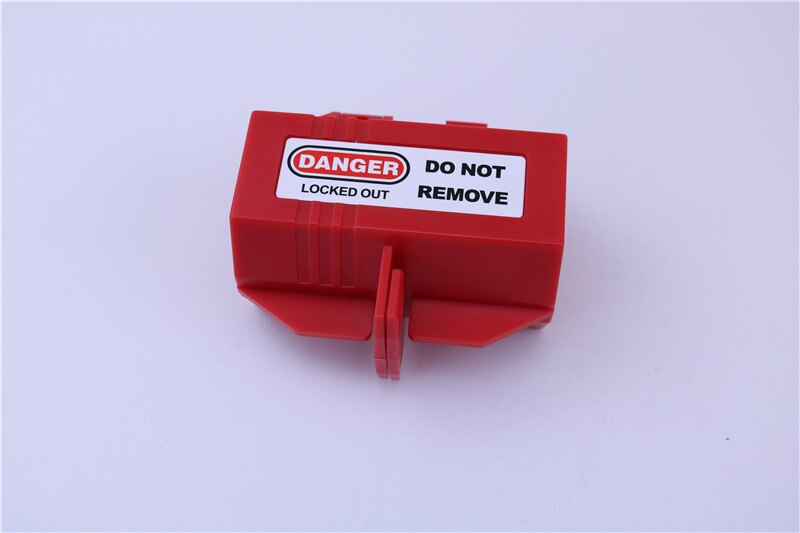
Enter the lockout tagout lock box. All individual locks are attached to a hasp or group lock station, and the keys to the energy-isolating devices are placed inside the lock box. The box itself is secured with a master lock—or better yet, with each worker’s lock in sequence—so no one can retrieve the keys until every lock is removed.
Without this system, someone could bypass the lockout process by retrieving keys early. With it, safety becomes a shared responsibility.
How a Lockout Tagout Lock Box Works in Practice
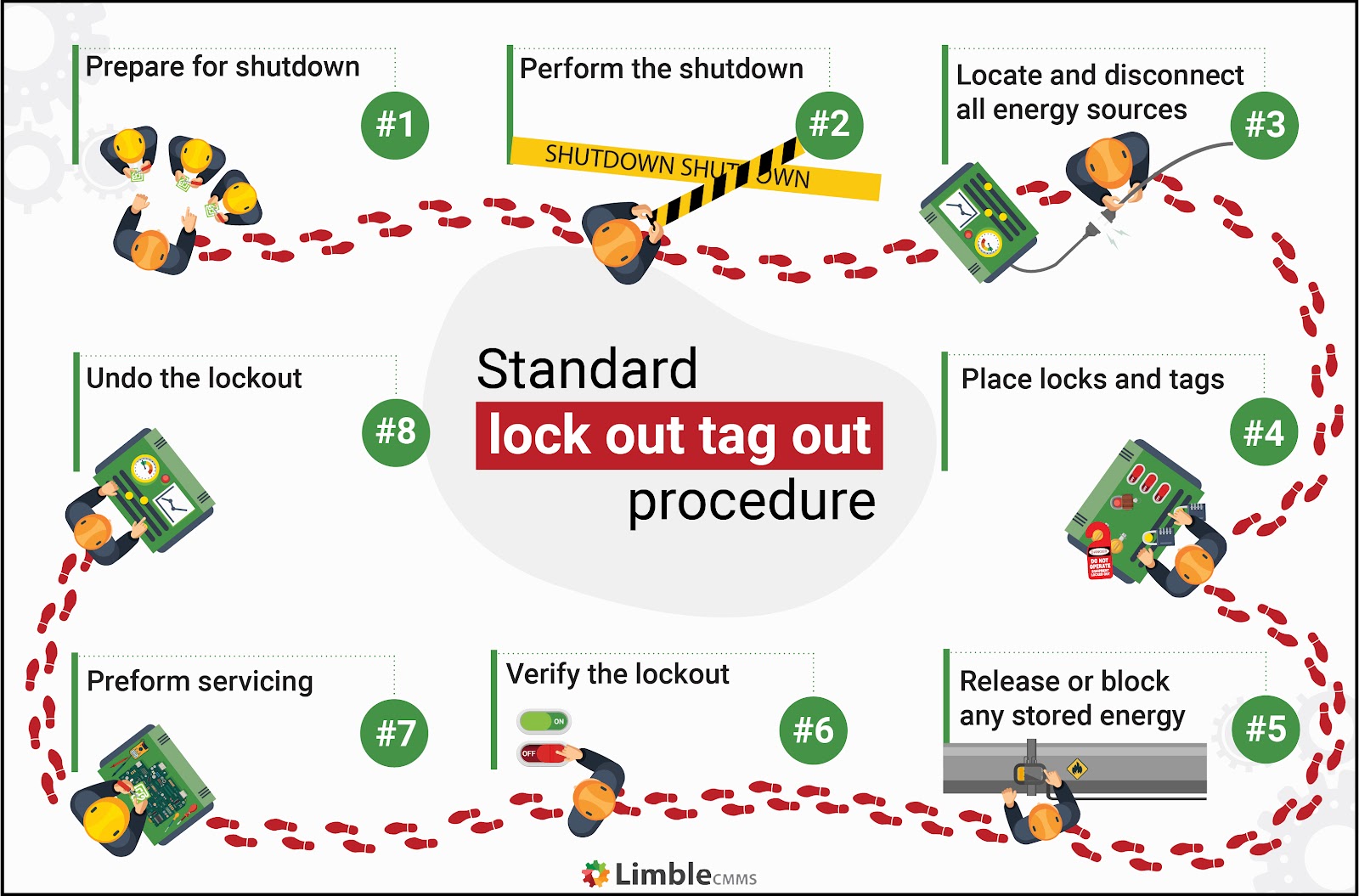
The process follows a strict sequence:
- Identify energy sources – Electrical, hydraulic, pneumatic, chemical, thermal, or gravitational.
- Shut down the machine – Follow proper shutdown procedures.
- Isolate each source – Use disconnects, valves, or blocks.
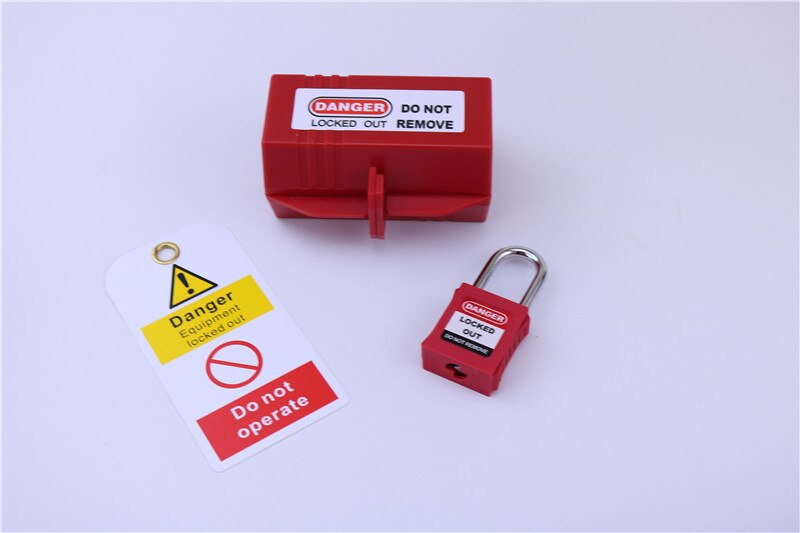
- Apply personal locks and tags – Each worker uses their own padlock and tag.
- Place keys or handles in the lock box – The physical controls needed to re-energize go inside.
- Secure the box – The box is locked using a hasp with multiple lock points.
- Verify zero energy – Test the machine to confirm it cannot start.
- Perform maintenance – Work begins only after verification.
- Remove locks only after all work is complete – Each worker removes their own lock.
- Re-energize only when the box is empty and unlocked – Final check before restart.
This process is not theoretical. In a paper mill in Wisconsin, a maintenance crew used a lockout tagout lock box during a weekly drum inspection. One technician left early but forgot to remove his lock. The team noticed the lock still on the box and delayed startup—only to discover another worker was still adjusting a feed roller. That box didn’t just follow protocol; it prevented a crushing injury.
Common Mistakes That Compromise Lockout Safety
Even with a lockout tagout lock box, failures happen. Here are the most frequent errors:
Using a Shared Lock or Master Key Some supervisors keep a “master” lock to remove others’ locks in emergencies. But OSHA prohibits this unless strict procedures are followed. A master key undermines personal accountability and encourages bypassing.
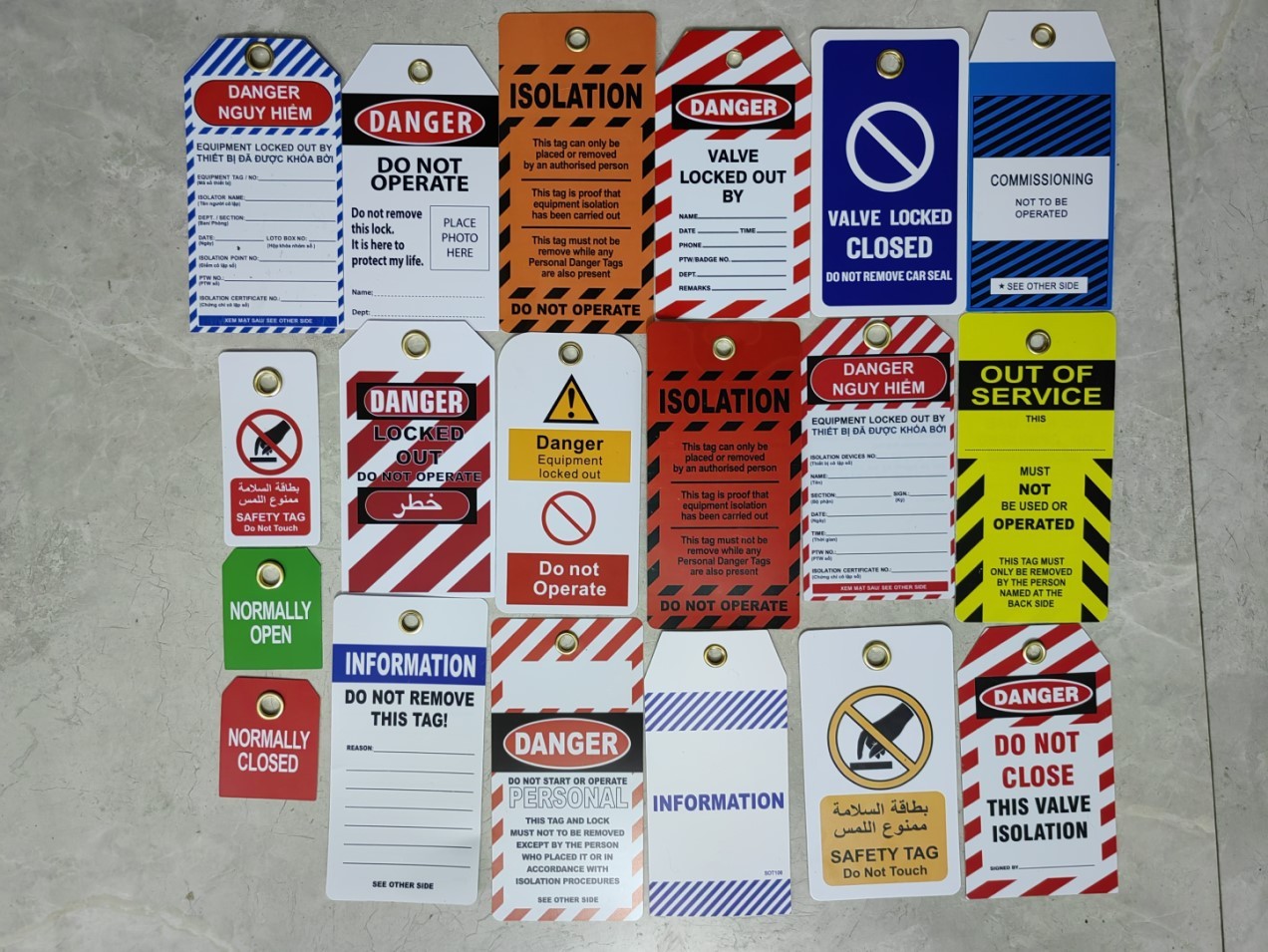
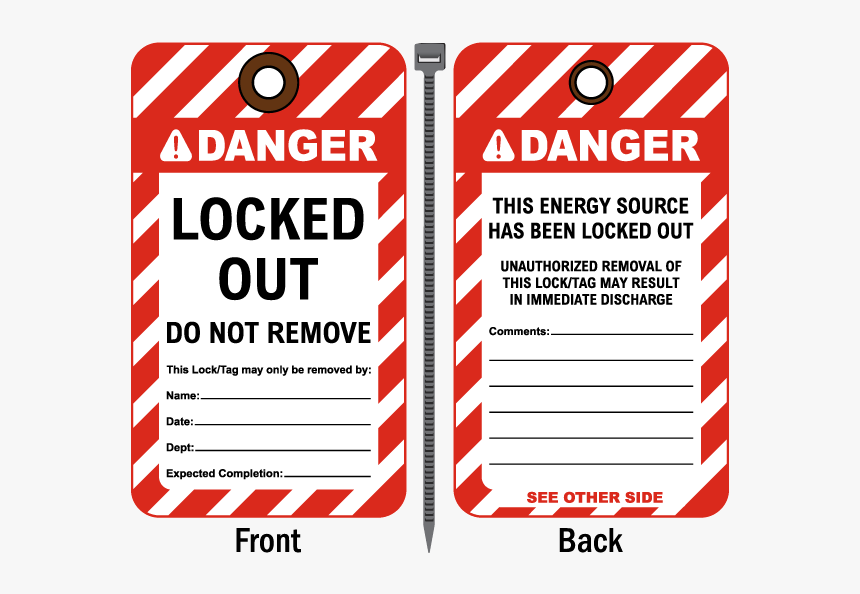
Skipping Tag Use Locks stop energy. Tags explain why. A lockout tagout lock box must be accompanied by clear, durable tags stating who locked the device, when, and why. Without tags, someone might assume a lock is forgotten, not active.
Poor Placement of the Box If the lock box is stored in a break room or office, it defeats the purpose. It must be located at or near the equipment being serviced so visibility and access are immediate.
Not Training Temporary or Contract Workers In one refinery incident, a contractor removed a lock because he didn’t recognize the procedure. The company hadn’t trained him on the lockout tagout lock box system. Result: a steam release injured two workers.
Using Damaged or Incompatible Boxes Corrosion, broken hasps, or non-weatherproof enclosures compromise integrity. In outdoor environments, such as oil rigs or construction sites, the wrong box fails when needed most.
Choosing the Right Lockout Tagout Lock Box
Not all lock boxes are the same. The right one depends on your environment, team size, and energy sources. Here are five reliable options widely used across industries:
| Product | Capacity | Material | Best For | Key Feature |
|---|---|---|---|---|
| Brady LOCKOUT003 | 6-lock hasp | Polycarbonate | Indoor manufacturing | Transparent cover for visibility |
| Grainger 2ZGZ8 | 12-lock station | Steel | Heavy industrial | Padlockable door with hinge lock |
| Master Lock 175DLHS | Up to 13 locks | Durable plastic | Multi-craft teams | Built-in tag holder slots |
| Honeywell SPC13LOTO | 13-lock hasp | UV-resistant polymer | Outdoor/chemical plants | Weatherproof and corrosion-resistant |
| DeWalt DLT200 | 10-lock station | Reinforced ABS | Mobile teams | Portable with carrying handle |
When selecting, consider: - Number of workers involved - Environmental exposure (moisture, dust, temperature) - Visibility of locks and tags - Compatibility with your existing locks and tags
A lock box too small forces workarounds. One too large becomes cluttered and confusing. Match capacity to typical team size.
Integrating the Lock Box into Your LOTO Program
A lockout tagout lock box should not be an afterthought. It must be embedded in your written energy control program. That includes:
- Clear procedures outlining when and how the box is used.
- Employee training annually and when procedures change.
- Periodic inspections (at least yearly) of all lockout activities, including box usage.
- Documentation showing compliance during audits.
One pharmaceutical plant reduced LOTO incidents by 72% in two years simply by standardizing on one lock box model and integrating it into digital work orders. Technicians scanned a QR code on the box, logged their lock application, and the system wouldn’t clear until all were removed. Technology enhanced the physical control.
Even without digital tools, a well-run program uses checklists. Example:
Lockout Tagout Lock Box Checklist ☐ All energy sources identified ☐ Machine shut down properly ☐ Isolation devices locked out ☐ Keys/handles placed in lock box ☐ Each worker applied personal lock to box ☐ Zero energy verified ☐ Tags include name, date, purpose ☐ Box remains on-site during work ☐ All locks removed by original users ☐ Supervisor confirms restart clearance
Simple, actionable, and auditable.
Real-World Use Cases: Where Lock Boxes Save Lives
Case 1: Automotive Assembly Line A robotic arm required calibration. Five technicians worked simultaneously on sensors, hydraulics, and programming. The lockout tagout lock box held the enable switch key. When one forgot to remove his lock, the delay prompted a check—revealing a colleague had not exited the safety cage. The box enforced patience.
Case 2: Water Treatment Facility During pump replacement, electrical and mechanical isolations were needed. The lock box, mounted near the control panel, held the circuit breaker handle and valve key. A night-shift operator saw the locks and knew not to reset—preventing a potential flood.
Case 3: Food Processing Plant An oven needed interior cleaning. Heat and gas were isolated. The lock box ensured that even though the cleaning took two hours, no one could reignite the system prematurely. Tags clearly showed who was inside.
In each case, the lock box wasn’t just a container—it was a communication tool and a physical reminder of shared responsibility.
Final Thoughts: Make the Lock Box a Culture, Not a Checklist
A lockout tagout lock box only works if people respect it. That means leadership must model compliance, training must be rigorous, and shortcuts must be challenged. Too many companies buy the box, hang it on the wall, and assume they’re safe. But safety isn’t stored in a plastic case—it’s built into habits.
Start by auditing your current LOTO procedures. Is the lock box used consistently? Are locks and tags readily available? Do workers understand that removing someone else’s lock is a firing offense?
Then, reinforce with visual cues: floor markings, posters, and toolbox talks. Make the lockout tagout lock box the centerpiece of your energy isolation process—not an accessory.
When every technician treats that box as the gatekeeper of life and safety, accidents don’t just decrease. They become unthinkable.
Frequently Asked Questions
What is the purpose of a lockout tagout lock box? It secures keys or handles of energy-isolating devices and ensures all workers remove their locks before equipment can be re-energized.
Can one person use a lockout tagout lock box? While typically used for group lockouts, a single technician may use it to store keys when multiple isolation points are involved.
Where should the lockout tagout lock box be placed? It should be located near the machine or energy source being serviced, within clear line of sight of all workers.
Does OSHA require a lockout tagout lock box? OSHA requires group lockout procedures when multiple employees are involved. A lock box is the most effective way to meet this requirement.
Can locks be removed in an emergency? Only under strict procedures: the authorized employee must be contacted, and a supervisor must verify the worker is clear before removing a lock.
What’s the difference between a lockout box and a tagout box? There is no functional difference—the term refers to the same device used for both lock and tag applications.
Can you use a padlock that isn’t personal? No. Each worker must use their own lock to maintain accountability. Shared locks violate OSHA’s one-person, one-lock principle.
FAQ
What should you look for in Lockout Tagout Lock Box: The Key to Workplace Safety? Focus on relevance, practical value, and how well the solution matches real user intent.
Is Lockout Tagout Lock Box: The Key to Workplace Safety suitable for beginners? That depends on the workflow, but a clear step-by-step approach usually makes it easier to start.
How do you compare options around Lockout Tagout Lock Box: The Key to Workplace Safety? Compare features, trust signals, limitations, pricing, and ease of implementation.
What mistakes should you avoid? Avoid generic choices, weak validation, and decisions based only on marketing claims.
What is the next best step? Shortlist the most relevant options, validate them quickly, and refine from real-world results.