
The sentencing of actor and stuntman Nathan Chasing Horse to life in prison marks a grim conclusion to a case that exposed deep vulnerabilities in systems meant to protect the young and marginalized. Once known for his role in Dances with Wolves and his work as a cultural consultant in Hollywood, Chasing Horse’s legacy has been irrevocably stained by his conviction for the sexual assault of a minor. The court’s decision reflects not only the severity of the crimes but also the growing public demand for accountability—especially when power, influence, and cultural authority are weaponized.
The Rise of Nathan Chasing Horse in Hollywood
Nathan Chasing Horse first gained national attention as a young actor in the 1990 Academy Award-winning film Dances with Wolves. Cast as Smiles A Lot, a Lakota boy, he was one of several Native American youth pulled from Pine Ridge Reservation to work on the film. At the time, the casting was hailed as a step toward authentic representation.
Over the years, Chasing Horse transitioned into stunt work, cultural advising, and mentorship roles within Native filmmaking circles. He positioned himself as a bridge between Hollywood and Indigenous communities, often speaking at events about cultural preservation and youth empowerment. His public persona was one of redemption and guidance—someone who had navigated the pitfalls of early fame and emerged to uplift others.
But behind that image, allegations began to surface—quietly at first, then with increasing gravity.
The Charges and Criminal Investigation
In 2022, federal authorities launched an investigation into Nathan Chasing Horse following a report from a victim who disclosed years of sexual abuse beginning in 2009, when she was just 12 years old. The investigation, led by the FBI in coordination with the Oglala Sioux Tribe’s Department of Public Safety, uncovered a pattern of predatory behavior.
Chasing Horse was indicted on multiple counts, including: - Criminal sexual conduct with a minor - Second-degree rape - Lewd and lascivious acts with a child under 16 - Use of intimidation to prevent reporting
The victim’s testimony described a relationship that began under the guise of mentorship. Chasing Horse, then in his 30s, exploited his status as a community figure to groom and isolate her. She reported that threats, emotional manipulation, and coercion were used to maintain silence for over a decade.
Forensic evidence, including digital communications and corroborating witness statements, strengthened the prosecution’s case. Notably, another woman came forward during the investigation, alleging similar abuse when she was a minor, further indicating a pattern of exploitation.
Trial and Conviction
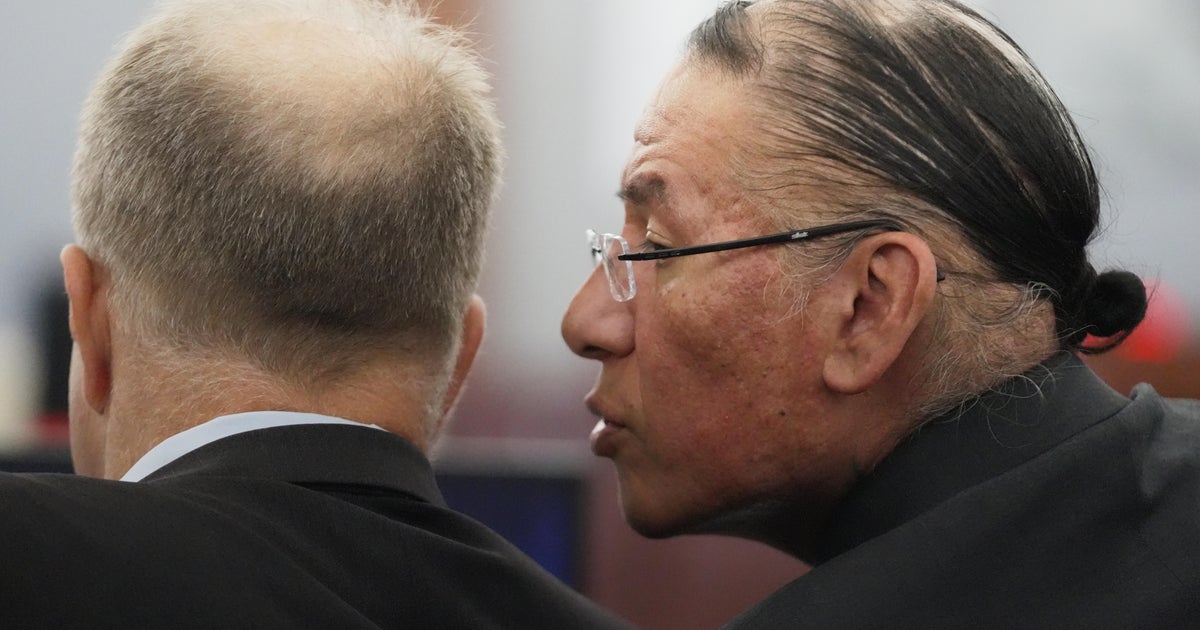
The trial took place in U.S. District Court in South Dakota, under federal jurisdiction due to the crime occurring on tribal land. Federal prosecutors emphasized the abuse of trust, highlighting how Chasing Horse used his influence as a cultural leader to commit and conceal his crimes.
Defense attorneys attempted to challenge the credibility of the accuser, citing inconsistencies in her initial statements and the passage of time. However, the jury found the evidence overwhelming. After a week of testimony, Chasing Horse was found guilty on all counts.
In delivering the sentence, Judge Roberto Lange did not mince words. He described the crimes as “a profound betrayal of the community that looked up to you” and stated that the defendant had “manipulated vulnerability under the cloak of cultural authority.” The mandatory life sentence was imposed under South Dakota’s habitual offender laws, as Chasing Horse had prior convictions related to domestic violence and assault.
Impact on the Native American Community
The fallout from the case has been especially painful within Lakota and broader Indigenous communities. Many expressed anger not only at Chasing Horse but at the systems that allowed his behavior to persist unchecked for so long.
On Pine Ridge Reservation, where the abuse occurred, community leaders have called for better safeguards for youth involved in cultural or entertainment programs. “We’ve seen too many outsiders come in and take advantage,” said one tribal elder. “But it cuts deeper when it’s one of our own who twists tradition into a tool for harm.”
Organizations like the Native Youth Alliance and Survivors of Abuse in Faith Environments (SAIFE) have since stepped up outreach, emphasizing the importance of recognizing grooming behaviors—even when the perpetrator claims to be a mentor or healer.
Some critics argue that Chasing Horse’s dual identity—as both a public figure and a cultural representative—enabled a dangerous form of respectability that shielded him for years. “There’s a tendency in close-knit communities to protect our own,” said a social worker from Rapid City. “But when that protection silences victims, it becomes complicity.”
Hollywood’s Complicity and Silence
While Chasing Horse was never a household name, his connections to major productions and studios have raised questions about Hollywood’s oversight of cultural consultants and off-camera talent. Few studios have publicly acknowledged their association with him, and none have issued formal statements following the sentencing.
This silence is not uncommon. The entertainment industry frequently relies on individuals with deep community ties to lend authenticity to films—especially those centered on Indigenous, Black, or immigrant experiences. But there is often little vetting beyond surface-level credibility.
Production companies may assume that someone who speaks the language, wears the regalia, or shares tribal affiliation is inherently trustworthy. Chasing Horse’s case proves how easily that assumption can be exploited.

Some industry insiders now advocate for stricter background checks and ethical guidelines for consultants—especially those working with minors or in mentorship roles. “Authenticity shouldn’t come at the cost of safety,” said a casting director who specializes in Indigenous representation. “We need protocols, not just good intentions.”
The Legal Precedent and Broader Implications
Chasing Horse’s life sentence sets a strong legal precedent, particularly for cases involving abuse of authority on tribal lands. Federal prosecutions for sexual violence against minors on reservations have historically been underfunded and under-prioritized. This conviction signals a shift—both in investigative capacity and judicial willingness to hold influential figures accountable.
It also underscores the importance of the Violence Against Women Act (VAWA), which expanded tribal jurisdiction over certain violent crimes, including sex offenses. Without these legal tools, the case might never have reached federal court.
Still, challenges remain. Many survivors on reservations still face barriers to reporting, including fear of retaliation, lack of access to legal resources, and mistrust in law enforcement. The Chasing Horse case, while a victory for justice, also highlights how rare such outcomes are.
Lessons from a Fallen Figure
Nathan Chasing Horse’s descent from respected cultural ambassador to convicted sex offender offers uncomfortable lessons about power, visibility, and accountability.
One key takeaway: influence does not equate to integrity. His ability to move between Hollywood sets and reservation communities gave him a platform—but also multiple avenues to manipulate and harm.
Organizations working with at-risk youth must implement stronger safeguards: - Mandatory background checks for mentors - Clear reporting channels for abuse - Regular training on grooming behaviors - Independent oversight for cultural programs
Additionally, media narratives around “redemption stories” need scrutiny. The public often celebrates former child actors or troubled youth who “turn their lives around.” But without oversight, such figures can exploit that redemption for access and control.
The case also serves as a reminder that healing is not a performance. True community leadership requires transparency, consent, and humility—not the projection of authority over the vulnerable.
Final Thoughts: Justice Served, But Work Remains
The life sentence handed to Nathan Chasing Horse brings a measure of closure to a survivor who waited over a decade for justice. It also sends a message: abuse cloaked in cultural legitimacy will no longer be tolerated.
But sentencing one man does not undo systemic failures. From under-resourced tribal justice systems to Hollywood’s blind spots in vetting talent, the institutions that enabled Chasing Horse’s crimes remain in need of reform.
Communities must continue to listen to survivors, especially young people in mentorship programs. Leaders must prioritize protection over reputation. And the entertainment industry must recognize that authenticity cannot come at the cost of safety.
The fall of Nathan Chasing Horse is not just a story about one man’s crimes. It’s a reflection of how easily trust can be weaponized—and how fiercely it must be guarded.
FAQ
What should you look for in Nathan Chasing Horse Sentenced for Sexual Assault? Focus on relevance, practical value, and how well the solution matches real user intent.
Is Nathan Chasing Horse Sentenced for Sexual Assault suitable for beginners? That depends on the workflow, but a clear step-by-step approach usually makes it easier to start.
How do you compare options around Nathan Chasing Horse Sentenced for Sexual Assault? Compare features, trust signals, limitations, pricing, and ease of implementation.
What mistakes should you avoid? Avoid generic choices, weak validation, and decisions based only on marketing claims.
What is the next best step? Shortlist the most relevant options, validate them quickly, and refine from real-world results.