Every year, hundreds of workplace injuries stem from unexpected equipment startup or residual energy release during maintenance. The solution? A well-documented lockout tagout (LOTO) procedure. But creating one from scratch is time-consuming and error-prone—especially if your team isn’t trained in regulatory standards. That’s where a free lockout tagout procedure template becomes invaluable.
This guide delivers not just access to ready-to-use templates but walks you through how to customize them effectively, avoid common pitfalls, and ensure they meet OSHA’s stringent requirements.
Why You Need a Lockout Tagout Procedure
Lockout tagout isn’t optional. Under OSHA regulation 29 CFR 1910.147, employers must establish a formal energy control program to protect workers servicing machinery. Failure to comply risks severe penalties—fines up to $15,625 per violation—and more critically, endangers lives.
A lockout tagout procedure outlines: - The type of hazardous energy involved (electrical, mechanical, hydraulic, etc.) - The steps to isolate and control that energy - Who is authorized to perform the lockout - How to verify zero energy before work begins
Without a standardized procedure, even experienced technicians can make mistakes under pressure. Templates eliminate guesswork and enforce consistency.
What a Free LOTO Template Should Include
Not all free templates are created equal. Many online versions are outdated, too generic, or missing critical steps. A high-quality free lockout tagout procedure template must include:
1. Equipment Identification Section Clearly list the machine name, ID number, and location. This prevents confusion in facilities with multiple similar machines.
2. Energy Source Inventory Detail all energy types present: electrical circuits, pneumatic lines, stored hydraulic pressure, gravity-fed components, etc.
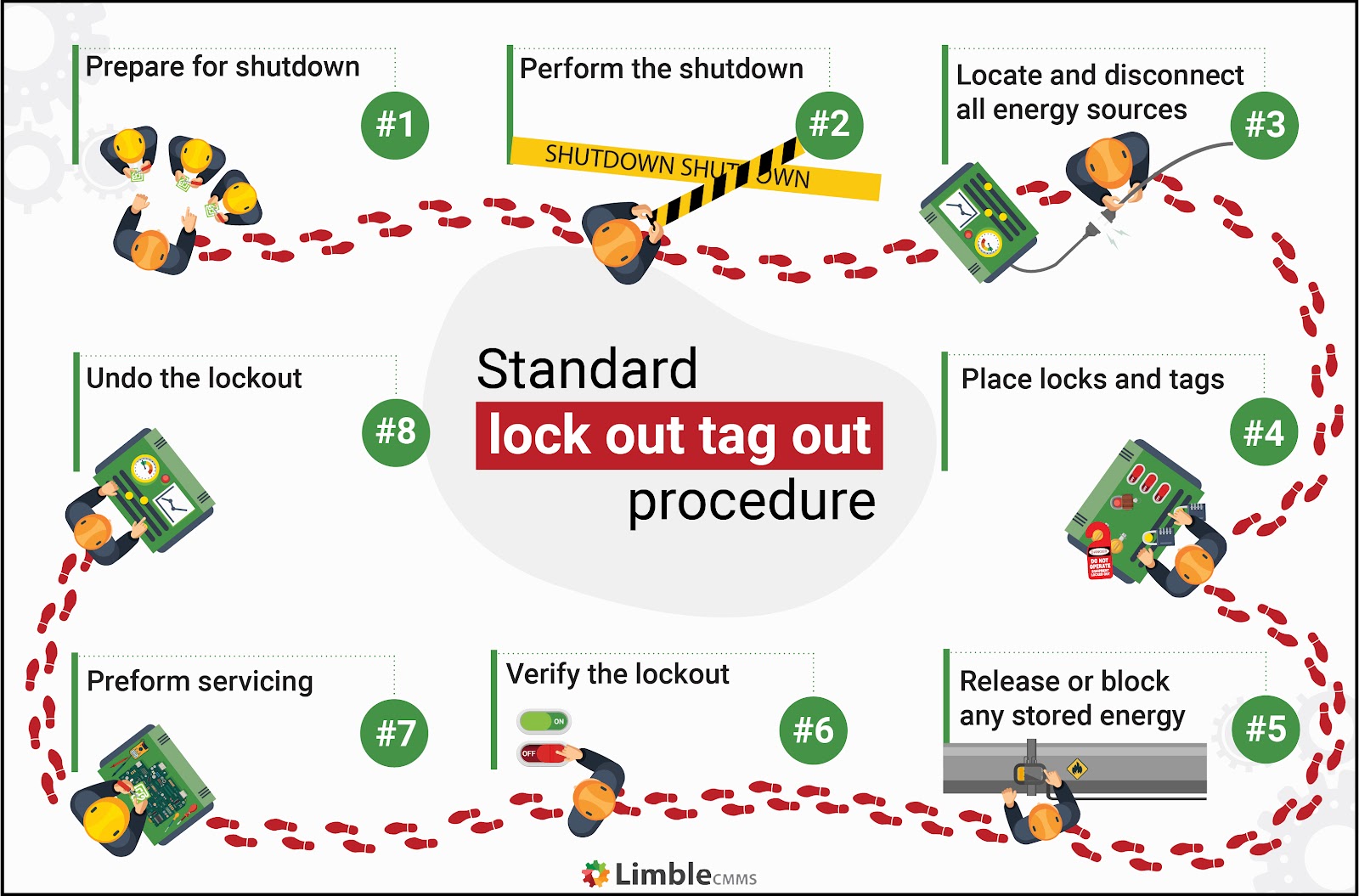
3. Step-by-Step Isolation Process Break down the shutdown sequence:
- Notify affected employees
- Shut down the machine using normal controls
- Isolate all energy sources (disconnect switches, close valves)
- Apply locks and tags to each isolation point
4. Verification of Zero Energy Include a verification line like:
“Test start button after lockout to confirm machine does not energize.”
This step is non-negotiable. OSHA requires proof of de-energization.
5. Release and Re-Energization Steps Outline how to safely remove locks, notify team members, and restart the machine—only after confirming the area is clear.
6. Sign-Off Areas Include fields for:
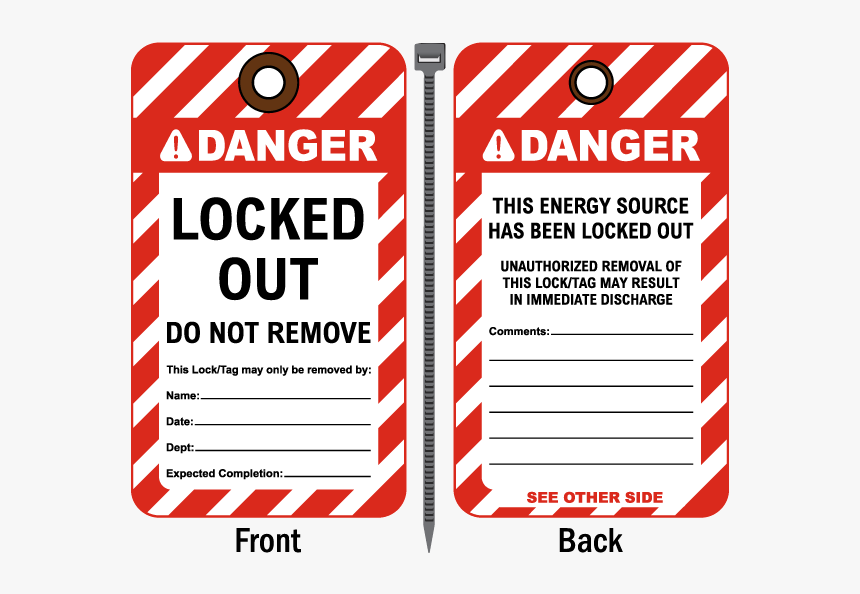
- Authorized employee name
- Date and time of lockout
- Supervisor approval (if required)
Templates lacking any of these components may offer a false sense of compliance.
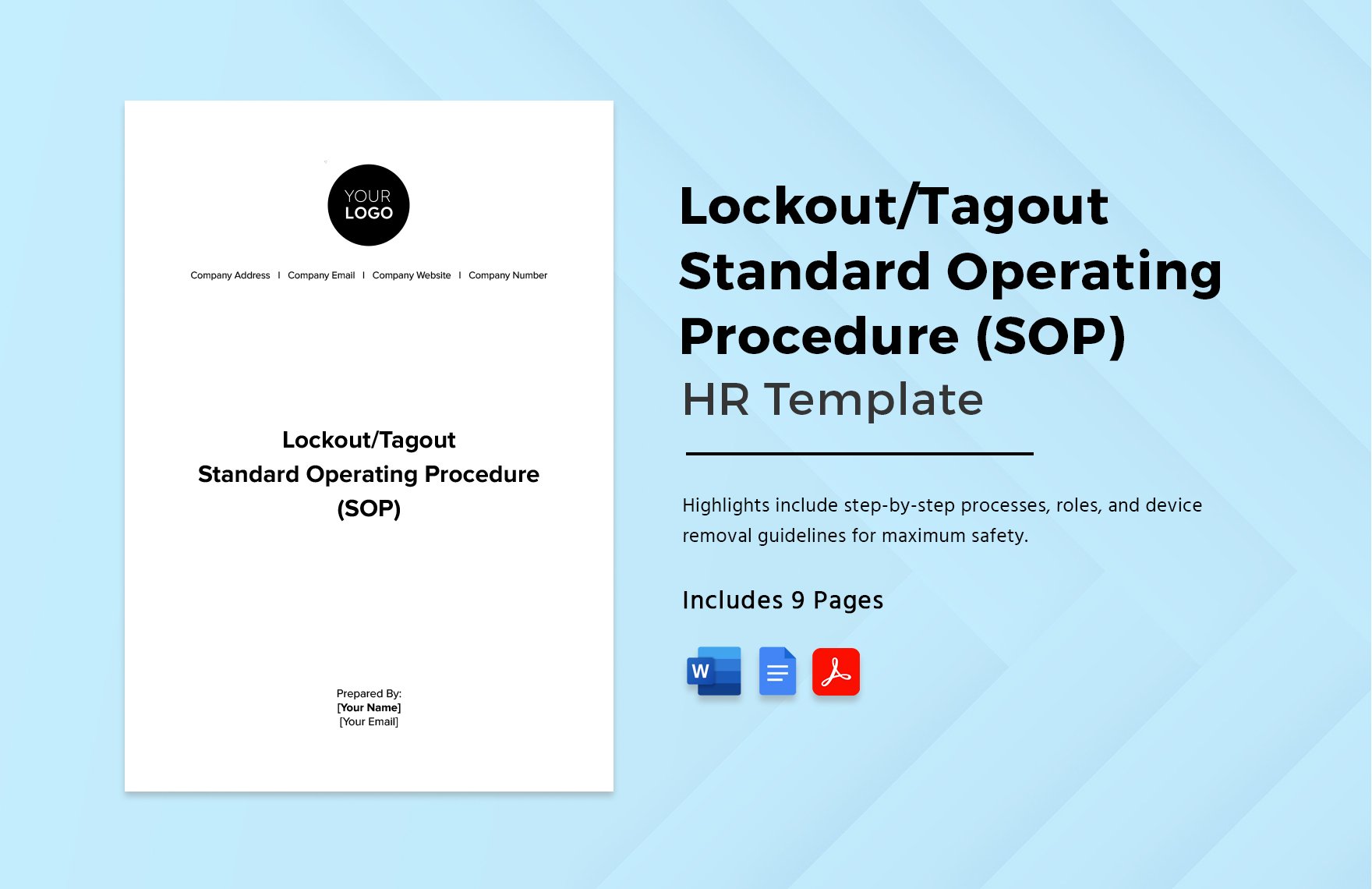
Where to Find Reliable Free Lockout Tagout Templates
Many websites offer “free” LOTO templates, but quality varies. Below are five trusted sources that provide professional, customizable, and compliant templates:
| Source | Format | Key Features | Download Link |
|---|---|---|---|
| OSHA.gov | PDF/Word | Official government template, fully compliant | osha.gov/loto |
| Creative Safety Supply | Word/Excel | Color-coded, includes PPE checklist | creativesafetysupply.com |
| SafetyCulture (iAuditor) | Digital form | Mobile-friendly, real-time sharing | safetyculture.com |
| EHS Daily Advisor | Word | Editable, includes training log | ehsdailyadvisor.com |
| LockoutTagout.com | Industry-specific versions (manufacturing, labs) | lockouttagout.com |
Pro Tip: Always cross-reference any downloaded template with your actual equipment. A boilerplate form won’t account for unique machinery configurations.
Common Mistakes When Using Free Templates
Even with a solid template, implementation errors can undermine safety. Watch out for these frequent missteps:
❌ Copy-Pasting Without Customization
Using the same procedure for a conveyor belt and a CNC press invites disaster. Each machine has distinct energy sources and isolation points.
Fix: Conduct an energy audit for each piece of equipment before finalizing the template.
❌ Ignoring Minor Energy Sources Technicians often lock out the main power switch but forget capacitors, springs, or elevated parts under tension.
Fix: Train staff to perform a full hazard assessment, not just follow a checklist blindly.
❌ Skipping Verification Steps Some workers assume “locked = safe” and skip testing for residual energy.
Fix: Build verification into the template with a mandatory test step and supervisor confirmation.
❌ Poor Recordkeeping Without logs of each lockout event, audits become chaotic, and recurring issues go unnoticed.
Fix: Use digital tools or binders to store completed templates by date and machine.
How to Customize Your Free LOTO Template
A template is a starting point. Here’s how to tailor it for real-world use:
Step 1: Audit the Machine Walk through shutdown with a maintenance tech. Note every disconnect, valve, and energy reservoir.
Step 2: Map Isolation Points Label each disconnect in the facility. Photograph them and attach to the procedure.
Step 3: Add Visual Aids Insert diagrams showing:
- Main power disconnect location
- Hydraulic line bleed points
- Lock application zones
Visuals reduce errors, especially for new employees.
Step 4: Define Roles Clearly Specify:
- Authorized employees (those trained to lockout)
- Affected employees (those who operate but don’t service)
Misunderstanding roles is a leading cause of accidental startups.

Step 5: Review and Test Annually Conduct a full演练 (drill) with your team. Time the process, identify bottlenecks, and refine the template.
Real-World Use Cases: When Templates Prevent Disasters
Case 1: Manufacturing Plant Avoids Crush Injury A technician at a Midwest auto parts factory used a customized LOTO template to service a press. The form reminded him to bleed hydraulic lines—a step he’d once skipped. A sudden pressure release could have caused catastrophic injury. The template saved him.
Case 2: Lab Technician Escapes Electrical Shock In a university research lab, a free template from SafetyCulture prompted a scientist to lock out not just the main switch but also a backup battery supply. Testing revealed residual current. The template’s detailed steps prevented electrocution.
These aren’t theoretical benefits. They’re documented outcomes of proper procedure use.
Digital vs. Paper-Based LOTO Procedures: What Works Best?
While free templates are often PDFs or Word files, more companies are shifting to digital platforms. Here’s a quick comparison:
| Factor | Paper-Based | Digital System |
|---|---|---|
| Accessibility | Stored in binders (can be lost) | Cloud-based, accessible via tablet |
| Updates | Manual revision per copy | Centralized update |
| Verification | Hard to track compliance | Timestamped, geotagged entries |
| Training Integration | Separate records | Embedded training videos and quizzes |
| Audit Readiness | Time-consuming to compile | One-click report generation |
Verdict: For small operations with few machines, paper templates work. For growing teams or multi-site facilities, digital systems pay off in time and safety.
Still, a free downloadable template is the best starting point—even if you later migrate to software.
Finalizing and Deploying Your LOTO Procedure
Once you’ve chosen and customized your free lockout tagout procedure template, deployment matters as much as content.
Do This:
- Print and post a copy near each machine
- Train all authorized employees on its use
- Conduct unannounced audits to ensure compliance
- Store completed forms for at least one year
Don’t Do This:
- Allow verbal procedures or “memory-only” lockouts
- Let untrained staff apply locks
- Use generic templates without equipment-specific adjustments
A template is only as strong as the culture that enforces it.
Conclusion: Start Safe, Stay Compliant
A free lockout tagout procedure template is more than a document—it’s a frontline defense against preventable injuries. By choosing a reliable template, customizing it for your equipment, and enforcing consistent use, you build a safer workplace and avoid costly OSHA violations.
Download a trusted version today, assign accountability, and turn compliance into a daily habit. Safety isn’t a one-time project. It’s a procedure you follow—every time, without exception.
Frequently Asked Questions
Where can I download a free lockout tagout procedure template? Reputable sources include OSHA.gov, Creative Safety Supply, and SafetyCulture, all offering free, customizable templates in PDF or Word format.
Is a free LOTO template OSHA-compliant? Only if properly customized. OSHA doesn’t approve templates, but they must meet 29 CFR 1910.147 requirements when implemented.
Who should use a lockout tagout procedure? Authorized employees performing servicing or maintenance on machinery with hazardous energy sources.
Can I use one template for multiple machines? No. Each machine requires its own procedure due to differences in energy sources and isolation methods.
What happens if we don’t follow LOTO procedures? Risks include severe injury, OSHA fines, increased insurance premiums, and potential criminal liability in fatal incidents.
How often should LOTO procedures be reviewed? At least annually, or whenever equipment changes, new hazards are identified, or an incident occurs.
Do tagout-only procedures meet OSHA standards? Only in limited cases where lockout isn’t feasible. Tags must provide equivalent protection and be part of a written program.
FAQ
What should you look for in Free Lockout Tagout Procedure Template for Workplace Safety? Focus on relevance, practical value, and how well the solution matches real user intent.
Is Free Lockout Tagout Procedure Template for Workplace Safety suitable for beginners? That depends on the workflow, but a clear step-by-step approach usually makes it easier to start.
How do you compare options around Free Lockout Tagout Procedure Template for Workplace Safety? Compare features, trust signals, limitations, pricing, and ease of implementation.
What mistakes should you avoid? Avoid generic choices, weak validation, and decisions based only on marketing claims.
What is the next best step? Shortlist the most relevant options, validate them quickly, and refine from real-world results.