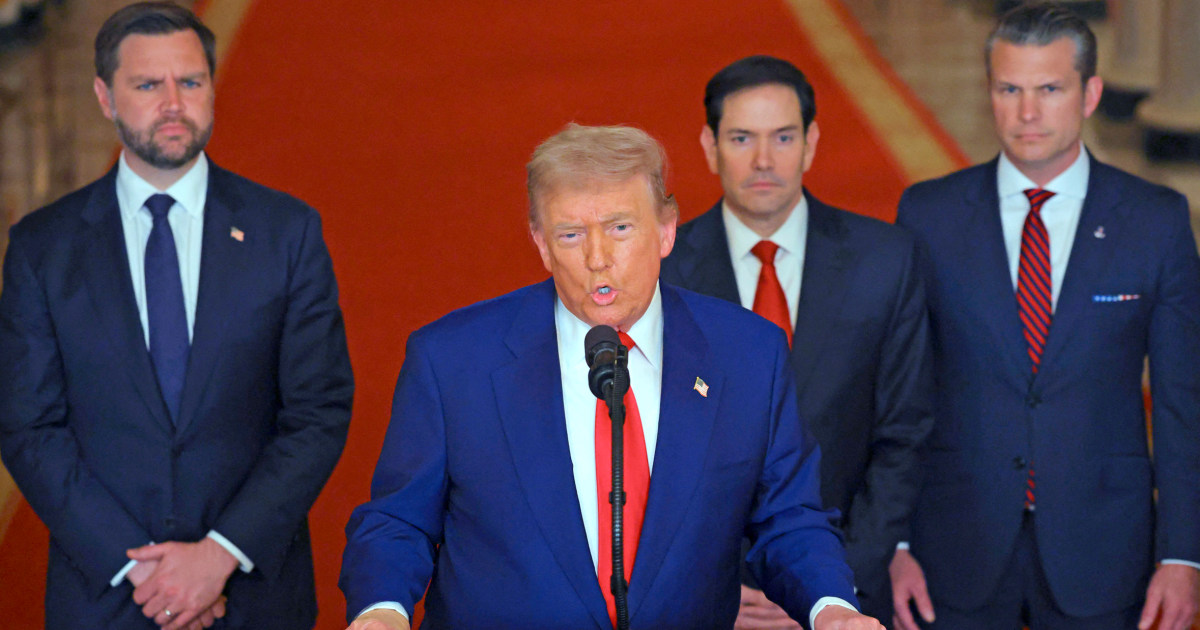
Iran’s latest bid for diplomatic de-escalation has hit a wall of skepticism from key U.S. political figures, with former President Donald Trump and Senator Marco Rubio publicly rejecting Tehran’s peace proposal. Far from backing down, Iran has responded with defiance, signaling a deepening impasse that could further destabilize an already volatile region. This clash isn’t just about words—it reflects a widening chasm in strategic vision, trust, and geopolitical maneuvering.
The proposal, reportedly centered on limiting uranium enrichment in exchange for sanctions relief, was framed by Iranian officials as a goodwill gesture. But in Washington, it was met not with negotiation but with outright dismissal. Trump called it “another trick to buy time,” while Rubio labeled it “diplomatic theater” lacking verifiable commitments. Their reactions underscore a hardening stance—one that may close doors before they’ve fully opened.
The Proposal That Was Never Meant to Succeed?
Iran’s offer included capping enrichment at 3.67%, a level consistent with civilian nuclear energy but far below weapons-grade. It also proposed IAEA inspections under strict conditions and a phased rollback of U.S. sanctions. On paper, it mirrored elements of the 2015 JCPOA, the nuclear deal Trump abandoned in 2018.
But critics argue timing and context undermine credibility. Iran has enriched uranium up to 60% in recent years—just a technical step from 90%, the threshold for weapons use. It has also expanded centrifuge deployment and restricted international monitoring. Against this backdrop, the proposal appears less like a breakthrough and more like tactical positioning.
Trump’s response was swift: “They want sanctions lifted but keep building bombs. Not happening.” Rubio echoed that skepticism, tweeting, “No more naive deals. Show action, not words.” Their rhetoric reflects a broader Republican consensus: any agreement must include not just nuclear constraints but also limits on Iran’s ballistic missile program and regional proxies.
Why Iran Isn’t Backing Down
Iran’s defiance isn’t mere posturing—it’s rooted in survival strategy. Facing economic pressure, domestic unrest, and isolation, Tehran sees limited room for concession. The regime calculates that backing down would embolden hardliners at home and weaken its leverage abroad.
Consider recent developments: - Protests over fuel prices and political repression continue to simmer. - Inflation exceeds 40%, eroding public trust. - Cyber and proxy operations have increased in Iraq, Syria, and the Gulf.
In this context, the peace proposal serves multiple purposes: it positions Iran as the reasonable party, shifts blame to the U.S. for continued hostility, and tests Western unity. By being rejected, Tehran can rally nationalist sentiment and justify further nuclear advances as defensive measures.
One Iranian analyst, speaking anonymously, noted, “They don’t expect Trump to accept. They expect him to reject. That’s the point. It strengthens their narrative of American intransigence.”
Trump and Rubio: A Unified Hardline Stance

Trump and Rubio aren’t just aligned—they’ve helped shape the GOP’s current Iran doctrine. Both oppose reviving the JCPOA and demand a “longer and stronger” deal. Their influence remains potent, especially as Trump eyes a 2024 comeback and Rubio positions himself as a foreign policy hawk.
- Trump’s 2018 withdrawal from the nuclear deal was based on three pillars:
- Sunset clauses that allowed restrictions to expire.
- No limits on missile development.
- No accountability for regional aggression.
Rubio has expanded this critique, pushing for a coalition-based approach that includes Israel, Saudi Arabia, and Gulf states. He argues that unilateral U.S. diplomacy fails because it ignores Iran’s broader threat matrix.
Their rejection of the current proposal isn’t surprising—it’s consistent. What’s new is the speed and sharpness of their response, suggesting coordination and pre-planning. This isn’t reactive politics; it’s a deliberate strategy to frame Iran as untrustworthy regardless of overtures.
The Diplomatic Fallout: What’s at Stake?
- The rejection risks triggering a dangerous cycle:
- Iran escalates nuclear activity.
- U.S. and allies impose harsher sanctions.
- Iran responds with proxy attacks or further enrichment.
- Tensions spike toward potential conflict.
Europe, which has pushed for dialogue, finds itself caught. France, Germany, and the UK still see diplomatic engagement as viable. But they rely on U.S. support for enforcement and leverage. With Trump and Rubio setting the tone, transatlantic unity frays.
Meanwhile, regional actors are taking sides. Israel has conducted airstrikes on Iranian targets in Syria, while Hezbollah has issued threats against U.S. bases. The UAE and Saudi Arabia, though open to détente, won’t move without American greenlight.
The stakes aren’t just geopolitical—they’re economic. Oil prices, already volatile, could surge if Strait of Hormuz tensions rise. Global supply chains, still recovering from pandemic shocks, face renewed strain.
Past Precedents: When Peace Offers Failed
History offers cautionary tales. In 2003, Iran offered broad talks on its nuclear program, terrorism, and regional issues—via a Swiss diplomatic channel. The Bush administration ignored it, calling it a “non-paper” without legitimacy. Years later, declassified documents revealed the offer was serious.
In 2015, the JCPOA succeeded because both sides made painful concessions. But its collapse under Trump showed how fragile such deals are when political winds shift.
Now, Iran’s latest proposal faces a similar fate—not due to lack of structure, but lack of political will in Washington. The lesson? Offers only matter if recipients are willing to engage. When rejection is predetermined, diplomacy becomes theater.
A Realistic Path Forward? Conditions for Engagement
For talks to gain traction, both sides must move beyond rhetoric. Here’s what would make a difference:
For Iran: - Allow unimpeded IAEA access, including to military sites. - Cap enrichment at 3.67% with no covert escalation. - Freeze missile development and curb support for proxies like the Houthis.
For the U.S. (and allies): - Offer phased sanctions relief tied to verifiable actions. - Engage through multilateral channels to build legitimacy. - Avoid public grandstanding that undermines negotiators.
Trust is minimal, so any process must be incremental. Confidence-building measures—like prisoner swaps or port inspections—could create momentum. But that requires leaders willing to take political risks.

Trump and Rubio aren’t there. Their messaging prioritizes domestic appeal over diplomatic opening. In a 2024 election cycle, projecting strength against Iran plays well with the base. But it leaves little room for nuance.
The Human Cost of Stalemate
Beyond geopolitics, real people pay the price. Iranian citizens face inflation, unemployment, and repression. U.S. allies in the region live under threat of missile attacks. American troops remain on alert across the Middle East.
A teacher in Tehran described daily anxiety: “We don’t know if next week there will be power cuts, or if the internet will go down again.” In Dubai, a shipping executive said clients are already asking, “What’s our contingency if Hormuz closes?”
Diplomacy isn’t just about treaties—it’s about preventing suffering. When leaders treat peace proposals as political weapons, they gamble with lives.
Closing the Door—Or Just the Beginning?
Iran’s defiance after the rejection isn’t the end of the story—it’s a signal. The regime will likely accelerate enrichment, test more missiles, and lean harder on proxies. Trump and Rubio will call for more sanctions, more pressure, more isolation.
But pressure without a pathway leads nowhere. The cycle repeats: offer, reject, escalate, repeat.
A better approach demands realism. Not blind trust in Iran, nor unconditional hostility. A deal must be tougher than the JCPOA—longer timelines, broader restrictions, stronger verification. But it must also offer Iran a way out of crisis.
Until then, the world watches a dangerous dance: one side offering peace it doesn’t expect to be accepted, the other rejecting offers it refuses to believe. In that space between suspicion and survival, the risk of miscalculation grows.
The path forward won’t be easy. But it starts with recognizing that defiance is not the absence of diplomacy—it’s often its most desperate form.
FAQ
Why did Trump reject Iran’s peace proposal? Trump dismissed the proposal as lacking credibility, citing Iran’s past nuclear activities and accusing Tehran of seeking sanctions relief without genuine concessions.
What did Iran propose in its latest peace offer? Iran suggested capping uranium enrichment at 3.67%, allowing limited IAEA inspections, and seeking phased sanctions relief—similar to elements of the 2015 nuclear deal.
How has Marco Rubio responded to Iran’s proposal? Rubio rejected it as “diplomatic theater,” demanding verifiable actions over words and calling for a broader agreement that includes missile and proxy constraints.
Is Iran close to developing a nuclear weapon? Iran has enriched uranium to 60%, a short technical step from weapons-grade (90%). While it denies seeking a bomb, experts warn it could produce one within weeks if it chooses.
What are the risks of continued U.S.-Iran tensions? Escalation could trigger regional conflict, disrupt global oil supplies, increase cyberattacks, and lead to direct military confrontation.
Can diplomacy still work with Iran? Yes, but it requires mutual concessions, verifiable actions, and political will—none of which are currently present in U.S. leadership circles.
How does Europe view Iran’s peace proposal? European powers remain open to diplomacy and see value in engagement, but they depend on U.S. cooperation, which is lacking under current political dynamics.
What mistakes should you avoid? Avoid generic choices, weak validation, and decisions based only on marketing claims.
What is the next best step? Shortlist the most relevant options, validate them quickly, and refine from real-world results.