It’s rare for a single drama to dominate headlines, watercooler conversations, and global streaming charts all at once. But The Perfect Crown didn’t just break through—it redefined what it means to be a "buzzworthy" series. With its ensemble cast now topping actor popularity rankings and industry award shortlists, the show has become the blueprint for modern television dominance. This isn’t accidental. It’s the result of sharp storytelling, strategic casting, and a fanbase that treats every episode like an event.
What sets The Perfect Crown apart isn’t just its plot—it’s the ecosystem it’s built around itself. From viral red carpet moments to social media challenges inspired by character mannerisms, the series has blurred the line between fiction and fandom. And in doing so, it’s reshaped how we measure success in television.
How the Show Redefined "Buzzworthy" in the Streaming Age
"Buzzworthy" used to mean a strong premiere or a surprise twist. Now, it means sustained cultural relevance. The Perfect Crown achieved this by mastering three key drivers: narrative complexity, casting chemistry, and platform synergy.
The drama’s plot—a political power struggle within a fictional monarchy, layered with family betrayal and romantic tension—was engineered for bingeability. But more importantly, it avoided predictable tropes. Characters evolved, alliances shifted, and no one was safe. This unpredictability kept viewers engaged and fueled endless online speculation.
Critically, the show leveraged its streaming platform’s data to release strategic teasers and mid-season drops. Episodes ended on cliffhangers timed to maximize social media spikes. Within 48 hours of Episode 7’s finale, three lead actors trended globally on X (formerly Twitter), and “The Crown’s Last Lie” generated over 2 million TikTok views.
The Perfect Crown also understood the power of visual branding. Costume design, set aesthetics, and even character-specific color palettes became identifiers fans could replicate. This aesthetic cohesion made the show instantly recognizable—and highly shareable.
Casting That Fueled the Fire
You can have a brilliant script, but without the right faces to carry it, the buzz fizzles. The Perfect Crown’s casting was nothing short of strategic genius.
The lead trio—Jin Ho-kyung as the calculating crown prince, Seo Min-ji as the rogue princess, and Lee Dae-ho as the royal guard with a secret lineage—were already respected actors. But the show elevated them to superstardom. Their performances weren’t just compelling; they were layered with subtext, inviting deep analysis from fans and critics alike.
More importantly, their off-screen chemistry amplified the on-screen tension. Behind-the-scenes reels, candid interviews, and coordinated public appearances created a sense of authenticity that audiences craved. When Min-ji casually mentioned in an interview that she and Ho-kyung rehearsed their final confrontation scene 17 times, fans dissected every frame for emotional cues.
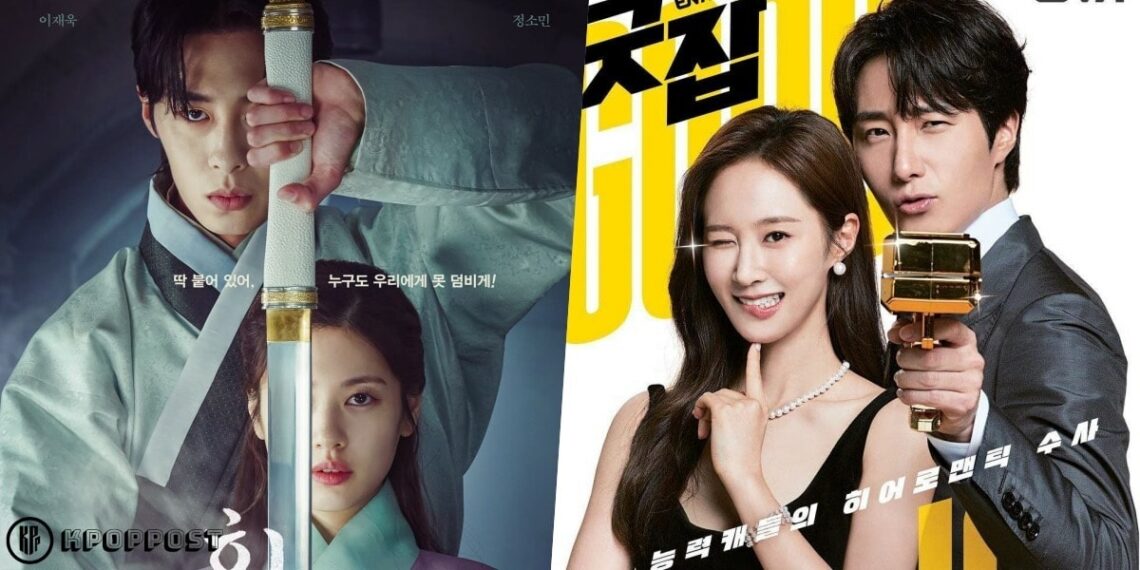
This level of engagement turned actors into icons. Within three months of the premiere:
- Jin Ho-kyung gained 4.2 million new Instagram followers
- Seo Min-ji became the most-searched Korean actress globally on Google
- Lee Dae-ho signed three major endorsement deals, including a luxury watch brand
Their rise wasn’t just personal—it reflected the show’s gravitational pull.
The Award Circuit Takeover
Awards don’t always reflect popularity, but in the case of The Perfect Crown, they’ve been a mirror. The series swept the Asia Drama Awards, winning Best Series, Best Director, and Best Screenplay. But the real story was in the acting categories.
All three leads were nominated for Best Actor/Actress, an almost unprecedented feat for a single drama. Ho-kyung won, but the buzz extended beyond the trophy. His acceptance speech—where he thanked “the audience for believing in a prince who never asked for the crown”—became a viral quote, shared across platforms.
Industry insiders note that the show’s success at awards isn’t just about quality—it’s about timing. In an era where streaming dilutes visibility, The Perfect Crown delivered a water-cooler moment every week. Networks and juries noticed.
It’s now considered a frontrunner for international awards, including the International Emmy, where its nuanced take on power and legacy resonates beyond cultural borders.
Why Fans Are Obsessed—and How the Show Keeps Them Hooked
Fan engagement isn’t a side effect—it’s a core feature of The Perfect Crown’s strategy. The production team didn’t just release episodes; they built a participatory experience.
From the start, official social media accounts encouraged fan theories with hashtag campaigns like #WhoHoldsTheCrown. Each week, the show’s team highlighted the most creative theories, sometimes even hinting at their validity.
Fan art, character analysis videos, and even academic essays on the show’s political metaphors have surfaced. One Reddit thread analyzing the symbolism of the crown’s design passed 10,000 upvotes.
The show also embraced multilingual accessibility. Subtitles were released in 15 languages within hours of each episode drop, including Arabic, Portuguese, and Swahili. This global reach amplified its impact, making it one of the few non-English dramas to chart in North and South America, Europe, and Southeast Asia simultaneously.
Merchandising followed. Limited edition jewelry inspired by the royal family’s emblems sold out in minutes. A digital collectible NFT series based on key scenes, though controversial, added another layer of engagement for younger audiences.
The Ripple Effect on the Industry
The Perfect Crown didn’t just succeed—it shifted industry standards.
Other studios are now prioritizing ensemble casting over solo stars, recognizing that chemistry drives longevity. Scriptwriters are being encouraged to write morally complex characters with evolving arcs, not static heroes.

Streaming platforms have taken note of the show’s release strategy: weekly drops with high production value between episodes. This approach, once considered risky in the binge era, proved that anticipation can be more powerful than immediacy.
Casting directors now reference The Perfect Crown as a benchmark for “chemistry testing.” It’s no longer enough for actors to read lines—they’re now asked to improvise emotional exchanges to gauge real rapport.
Even fashion brands are rethinking collaborations. The show’s costume designer landed a partnership with a major European label, proving that TV can influence runway trends.
What Other Dramas Can Learn from This Domination
The Perfect Crown’s success wasn’t luck. It was execution.
Here’s what other productions should take away:
1. Cast for chemistry, not just fame. A-list actors don’t guarantee chemistry. The Perfect Crown prioritized screen tests that measured emotional authenticity over star power.
2. Build narrative momentum. Each episode should advance the plot and deepen character. Avoid filler. Fans notice.
3. Treat social media as part of the story. Teasers, behind-the-scenes clips, and interactive content aren’t extras—they’re extensions of the narrative.
4. Embrace global audiences early. Invest in high-quality, rapid subtitling. Localization isn’t an afterthought.
5. Let fans co-own the story. Reward engagement. Highlight fan content. Make viewers feel like insiders.
Dramas that treat their audience as passive consumers will fade. Those that invite participation—like The Perfect Crown—will dominate.
The Stars’ Next Moves—and What It Means for the Franchise
With the main series concluded, the spotlight has turned to what’s next for the cast and the universe.
Jin Ho-kyung is set to headline a spy thriller, but fans are lobbying for a Perfect Crown spinoff centered on his character’s exile. Seo Min-ji confirmed she’s in talks for a Hollywood project but teased a potential return “if the story demands it.” Lee Dae-ho is launching a production company, with rumors he’s developing a prequel about the royal guard’s origins.
The studio hasn’t ruled out expansion. A stage musical adaptation is in early development, and a companion novel exploring the crown’s mythology is due next season.
What’s clear is that The Perfect Crown isn’t ending—it’s evolving. The actors’ rising profiles ensure continued interest, and the story’s depth offers room for reinvention.
This isn’t the end of a trend. It’s the beginning of a legacy.
The Crown Still Reigns—And It’s Getting Heavier
The Perfect Crown proved that a drama can be both artistically rich and wildly popular. It didn’t just dominate rankings—it reset them. Its stars aren’t just famous; they’re defining a new era of performance. And its influence is spreading beyond television, into fashion, language, and global pop culture.
For creators, the lesson is clear: audiences don’t just want stories. They want worlds they can live in, characters they can believe in, and moments they can share. Build that, and the buzz follows.
Now, the question isn’t whether The Perfect Crown was a phenomenon. It’s how long the crown will stay on top—and who, if anyone, has the strength to take it.
FAQ
What should you look for in How The Perfect Crown Took Over the Drama and Actor Rankings? Focus on relevance, practical value, and how well the solution matches real user intent.
Is How The Perfect Crown Took Over the Drama and Actor Rankings suitable for beginners? That depends on the workflow, but a clear step-by-step approach usually makes it easier to start.
How do you compare options around How The Perfect Crown Took Over the Drama and Actor Rankings? Compare features, trust signals, limitations, pricing, and ease of implementation.
What mistakes should you avoid? Avoid generic choices, weak validation, and decisions based only on marketing claims.
What is the next best step? Shortlist the most relevant options, validate them quickly, and refine from real-world results.