They’re paid millions to be beautiful. They grace red carpets, dominate magazine covers, and spark global trends with a single outfit. But behind the glamour, a darker narrative unfolds—one of brutal online trolling, targeted campaigns over appearance, and psychological torment inflicted by faceless users across the internet.
From body-shaming to facial feature ridicule, some of Hollywood’s biggest stars have opened up about being relentlessly bullied for how they look. These aren't isolated incidents; they’re a systemic pattern, amplified by social media, fueled by toxic fan cultures, and often ignored by platforms. This is the unfiltered truth behind the Hollywood trolling horror.
The Price of Perfection: When Fame Meets Appearance-Based Attacks
In Hollywood, image is currency. But the demand for flawlessness has created a paradox: the more visible a star becomes, the more vulnerable they are to public scrutiny. And with the rise of social media, that scrutiny has turned predatory.
Actors once faced criticism in tabloids. Now, they confront 24/7 harassment on platforms like X (formerly Twitter), Instagram, and TikTok. Comments dissect nose shapes, skin tones, weight fluctuations, and aging signs with surgical cruelty.
Emma Stone once revealed how early in her career, she was mocked online for her red hair and freckles—features now celebrated as iconic. “They called me ‘carrot top’ and ‘pizza face,’” she said in a 2022 interview. “I started wearing wigs. I almost dyed my hair. It messed with my identity.”
The irony? The very traits mocked often become part of a star’s brand later. But the emotional damage lingers.
Celebrities Who Spoke Out: Real Stories from the Frontlines
Jennifer Aniston: Aging Under the Microscope Few stars have been dissected as relentlessly as Jennifer Aniston. From her Friends days to now, she’s been a target for everything from her hair (the “Rachel” cut sparked a thousand memes) to her body and marital status.
In a 2021 InStyle feature, Aniston slammed media narratives that reduce women to their appearance: “I’m not being ‘frigid’ if I don’t have a baby. I’m not ‘washed up’ because I’m 50 and don’t look 25.” She criticized the double standards applied to male and female stars, especially regarding aging.
Chris Hemsworth: Even Action Heroes Aren’t Safe Bullying isn’t limited to women. Chris Hemsworth, known for his chiseled Thor physique, faced ugly online jokes when he gained weight for Avengers: Endgame.
“People said I looked like a dad at a BBQ,” Hemsworth recalled in a GQ interview. “It was funny to some, but it stung. You work so hard to build that image, then one role change and you’re ‘fat Thor’ for life.”
The nickname stuck—even trending on Twitter. What started as a meme became a persistent label, overshadowing his performance.
Lizzo: Fighting Back Against Body Shaming Lizzo has become a symbol of body positivity, but that hasn’t spared her from vicious trolling. Photoshopped images, weight-based slurs, and music criticism disguised as fitness commentary flood her comment sections.
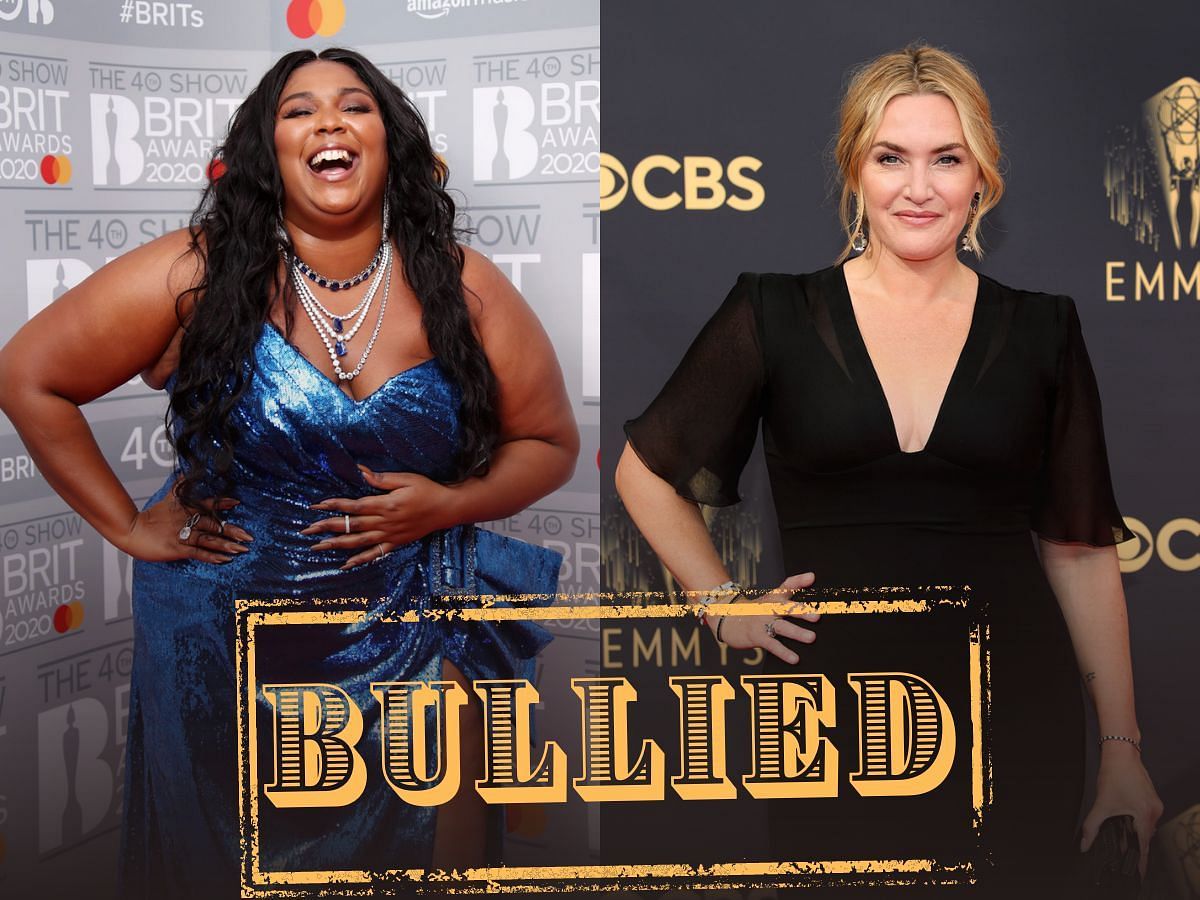
In 2023, she posted a tearful video responding to trolls who claimed she was “glorifying obesity.” “I am not your warning,” she said. “I am a Black woman succeeding in a world that has always told me I’m too much. You don’t get to erase me with a tweet.”
She later sued a paparazzo for stalking and harassment, setting a precedent for legal action against persistent online abuse.
The Psychology of Celebrity Trolling: Why Do People Do It?
What drives someone to attack a stranger’s appearance online—especially someone they claim to admire?
Psychologists point to anonymity, mob mentality, and projected insecurity as key factors. Online platforms allow users to dehumanize others, reducing celebrities to caricatures. A single critical post can snowball into a viral pile-on, with users competing to be the “wittiest” or “bravest” in their ridicule.
Dr. Naomi Fields, a clinical psychologist specializing in digital trauma, explains: > “Trolling thrives on emotional distance. When you don’t see the pain you’re causing, it’s easier to justify cruelty. And in Hollywood, where stars are treated as products, fans feel entitled to critique them like merchandise.”
This sense of ownership—“I paid for your movie, so I can judge your body”—fuels much of the harassment.
The Role of Social Media Platforms: Protecting Stars? Or Profiting From Pain?
Despite promises of safety, most platforms are reactive, not proactive. Celebrities often report abuse only after it’s gone viral. By then, screenshots are everywhere, hashtags trend, and damage is done.
Consider the case of Billie Eilish, who faced graphic body-shaming after changing her style post-weight loss. She later revealed she developed body dysmorphia from online comments: “I looked at myself and saw monsters because that’s what they taught me to see.”
While Instagram and X have reporting tools, they’re inconsistent. Automated systems miss context. Human moderators are overwhelmed. And algorithmic amplification often boosts controversial (i.e., cruel) content for engagement.
It’s a broken system—one that benefits from celebrity drama while offering little protection.
The Ripple Effect: How Trolling Impacts Careers and Mental Health
The consequences go beyond hurt feelings. Persistent trolling can:
- Trigger anxiety, depression, and eating disorders
- Influence casting decisions (directors may hesitate to cast “controversial” stars)
- Lead to self-censorship (stars avoid certain roles or public appearances)
- Damage brand partnerships (companies fear association with “negative buzz”)
Shia LaBeouf once attributed his erratic public behavior to years of media bullying: “They mocked my weight, my acting, my trauma. I started believing them.”
Even stars with strong support systems aren’t immune. The constant noise wears down resilience.
Case Study: The “Alien” Comments Against Lupita Nyong’o
In 2014, Lupita Nyong’o won an Oscar for 12 Years a Slave—and became a global style icon. But alongside praise came racist, dehumanizing trolling.
She was called “alien-like” and “too dark” for Hollywood, with users Photoshopping her skin to look lighter in promotional images.
Nyong’o addressed it head-on: “I am not here to be palatable. I am here to exist as I am—beautiful, Black, and unapologetic.”
Her stance empowered countless fans, but the experience highlighted how appearance-based trolling often intersects with racism, sexism, and xenophobia.
What Can Be Done? Solutions from Insiders and Experts
1. Stronger Platform Accountability Celebrities and advocates are pushing for AI-driven moderation that flags harmful content before it spreads. France and the UK have introduced laws holding platforms liable for unchecked abuse—similar models could work globally.
2. Legal Recourse Expansion Laws need to evolve. Right now, cyberbullying is rarely prosecuted unless it involves threats. But emotional damage from sustained harassment should be recognized as harm.
3. Media Literacy in Schools Teaching young users about digital empathy and the real impact of online words can reduce future trolling. Programs like #BeKindOnline are gaining traction in U.S. schools.
4. Celebrity-Led Advocacy Stars like Selena Gomez and Demi Lovato have used their platforms to promote mental health and anti-bullying campaigns. More need to follow—especially men, who are less likely to speak on emotional struggles.
5. Fan Education and Community Moderation Some fandoms now appoint “kindness moderators” to delete harmful posts. Official fan clubs could formalize this, creating safer spaces for support, not sabotage.
The Bottom Line: Beauty Isn’t a Crime—But Mocking It Is
Hollywood’s appearance-based trolling epidemic isn’t just about celebrities. It reflects a culture obsessed with judging people by their looks. When we laugh at “fat Thor” or “weird nose” memes, we normalize cruelty.
The stars speaking out aren’t seeking pity. They’re demanding accountability. And while they have PR teams and therapists, the average person facing similar abuse often has neither.
Change starts with awareness—and action. Unfollow accounts that mock others. Report harmful content. Call out jokes that punch down.
Because behind every photo, every headline, every meme, there’s a human being. And no amount of fame justifies torment.
FAQ
Why are celebrities targeted for their looks more than other public figures? Celebrities in entertainment are marketed as visual icons, making their appearance central to their brand. This visibility invites more scrutiny and objectification than, say, politicians or athletes.
Can online trolling lead to real-world consequences for actors? Yes. Trolling can affect casting decisions, brand deals, and mental health, sometimes leading to withdrawal from public life or career shifts.
Have any celebrities successfully sued over online harassment? Yes. Lizzo sued a paparazzo for stalking and harassment. Others, like Ellen Page, have pursued legal action against individuals for targeted abuse.
Do social media platforms do enough to protect high-profile users? Most do not. While VIP support exists, it’s often slow and inconsistent. Algorithms still prioritize engagement over safety.
Is there a difference between criticism and trolling? Yes. Criticism is constructive and opinion-based. Trolling is malicious, repetitive, and designed to humiliate or provoke.
How can fans support celebrities facing online abuse? By reporting abuse, promoting positive content, and refusing to share or engage with harmful memes or comments.
Are male celebrities less affected by appearance trolling? No. While women face more volume, men like Chris Hemsworth and Shia LaBeouf have spoken openly about body-shaming and mental health struggles due to online attacks.
FAQ
What should you look for in Hollywood Trolling Horror: A-Listers Expose Relentless Beauty Bullying? Focus on relevance, practical value, and how well the solution matches real user intent.
Is Hollywood Trolling Horror: A-Listers Expose Relentless Beauty Bullying suitable for beginners? That depends on the workflow, but a clear step-by-step approach usually makes it easier to start.
How do you compare options around Hollywood Trolling Horror: A-Listers Expose Relentless Beauty Bullying? Compare features, trust signals, limitations, pricing, and ease of implementation.
What mistakes should you avoid? Avoid generic choices, weak validation, and decisions based only on marketing claims.
What is the next best step? Shortlist the most relevant options, validate them quickly, and refine from real-world results.